
This post may contain affiliate links. See our disclosure policy.
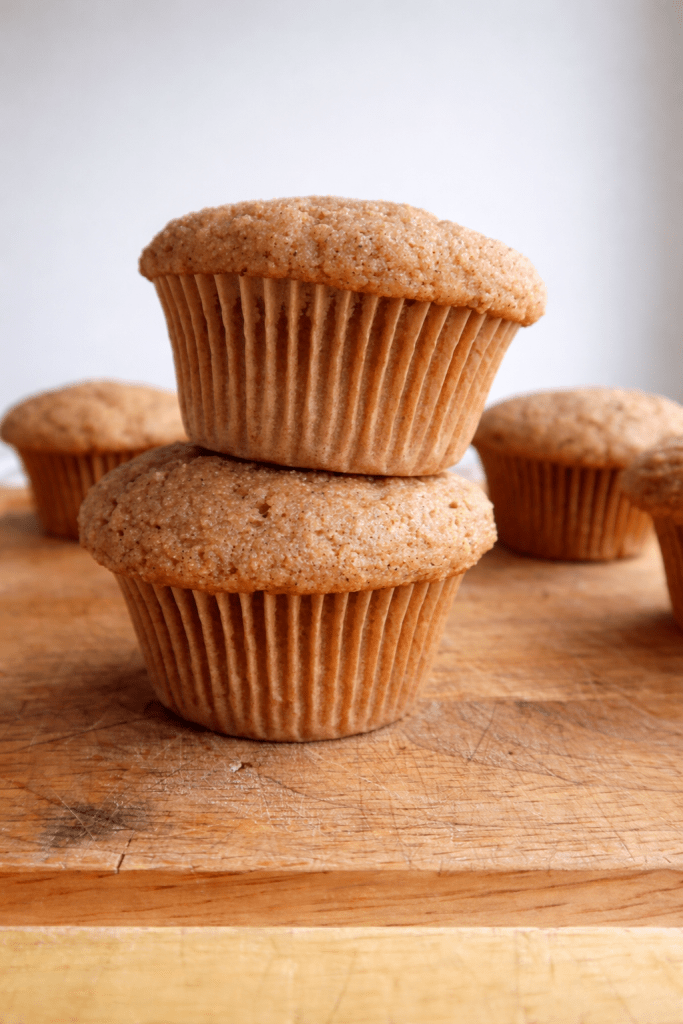
Longing for a filling, freezer-friendly, or on-the-go breakfast for your family? Then look no further!
This fresh-milled sourdough muffin recipe is our family’s go-to snack. Also, popcorn. We eat loads of popcorn here 😊.
My Cinnamon Sugar Fresh-Milled Sourdough Muffins tick all the boxes—satiating, sweet but not overbearing (slightly resembling your favorite childhood cereal), perfectly portable and cheap. Truly, a mother’s best friend.
Why Bake with Fresh-Milled?
Simply put, it is much more nutrient-rich.
When wheat is milled and the bran and germ are removed to create all-purpose flour, most of the fiber, vitamins, minerals, and healthy fats are lost. What remains is mostly starch and some protein. Because starch is rapidly broken down into glucose, baked goods made with white flour can cause a much sharper rise in blood sugar compared to whole-grain versions.
Below is a chart listing all of the nutrients contained in the simple, whole wheat berry. It’s amazing!
✨ Nutrients in Fresh-Milled Whole Wheat Flour
Fresh-milled flour is rich in naturally occurring nutrients that are often lost in store-bought white flour. By milling your own grains at home, you retain the full spectrum of vitamins, minerals, and fiber—exactly as God designed it.
🌾 Macronutrients
- Protein
- Healthy Carbohydrates
- Dietary Fiber
- Natural Fats (small amounts)
💪 Key Vitamins
- Thiamine (B1)
- Riboflavin (B2)
- Niacin (B3)
- Pantothenic Acid (B5)
- Pyridoxine (B6)
- Folate (B9)
- Vitamin E
🧂 Essential Minerals
- Iron
- Magnesium
- Phosphorus
- Potassium
- Calcium
- Zinc
- Selenium
- Copper
- Manganese
- Natural Sodium (very low)
Note: Nutrient content can vary depending on the wheat variety and freshness, but fresh-milled flour is always more nourishing than refined alternatives.
Check out my blog post here for a more thorough breakdown of the benefits of fresh-milled flours.
What Type of Wheat Berries Should I Use?
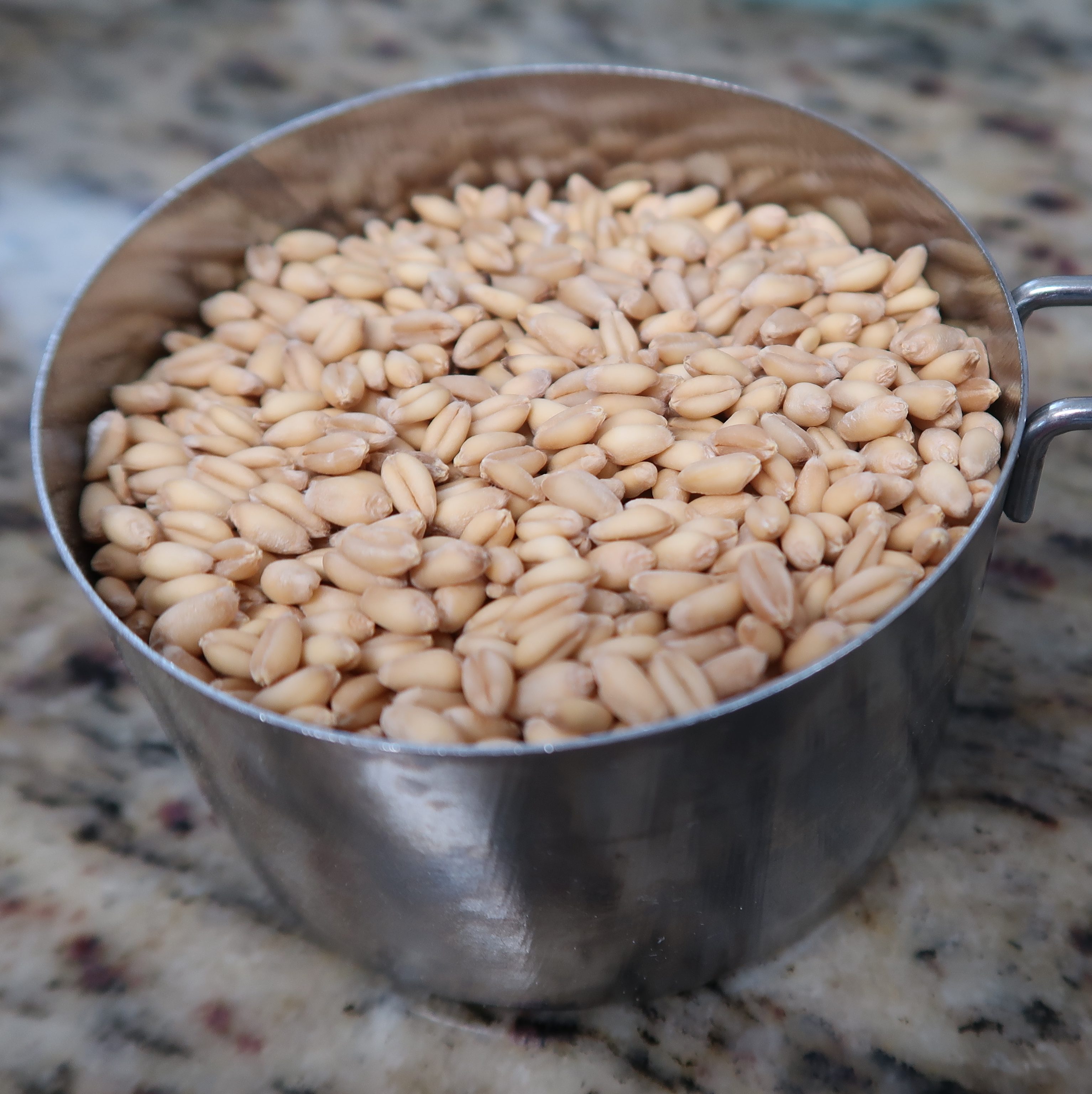
Soft wheat, as opposed to hard wheat, has a lower percentage of protein and a higher percentage of carbohydrates.
When you’re baking, flours with higher protein content create “stronger” doughs. These are ideal for breads that require strong gluten development, like a sandwich loaf. More protein = stronger gluten.
Soft wheat, lacking that high protein content, has less ability to form strong gluten networks. That gives you a more tender, softer crumb—perfect for muffins!
If you’d like to learn more about different wheat berries and how to use them, be sure to check out my full blog post!
How to Prep These Muffins the Night Before
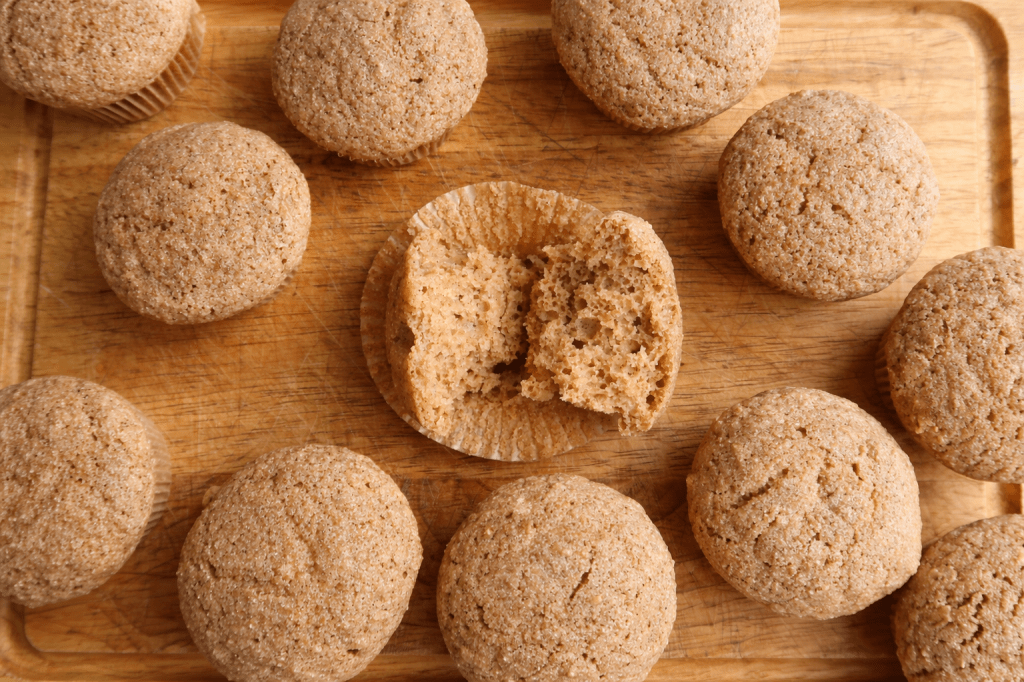
If you want to make this fresh in the morning, but the thought of baking that early makes you nauseous, feel free to prep the batter the night before.
Mix all the ingredients except the salt and baking powder, cover, and place in the fridge. In the morning, preheat your oven and gently mix in the salt and baking powder. I don’t bother bringing the batter to room temperature, so I recommend baking for 1–2 minutes longer than the recipe calls for.
I often find myself baking these in the afternoon for the next day. If you follow my one for now, two for later rule, you can have an awesome stock of easy, grab-and-go snacks in no time!
Tool’s You’ll Need
- Grain mill
- Mixing bowl
- Measuring utensils
- Mixing utensil
- Muffin tin
- Muffin liners
- Kitchen scale (optional but recommended)
- 1/4 cup cookie scoop (optional, but man, does it make life easier)
If you’re just getting started with fresh-milled baking, I’ve rounded up my thoughts on grain mill shopping and everyday baking essentials in my post on top tools for fresh-milled baking.
Ingredients
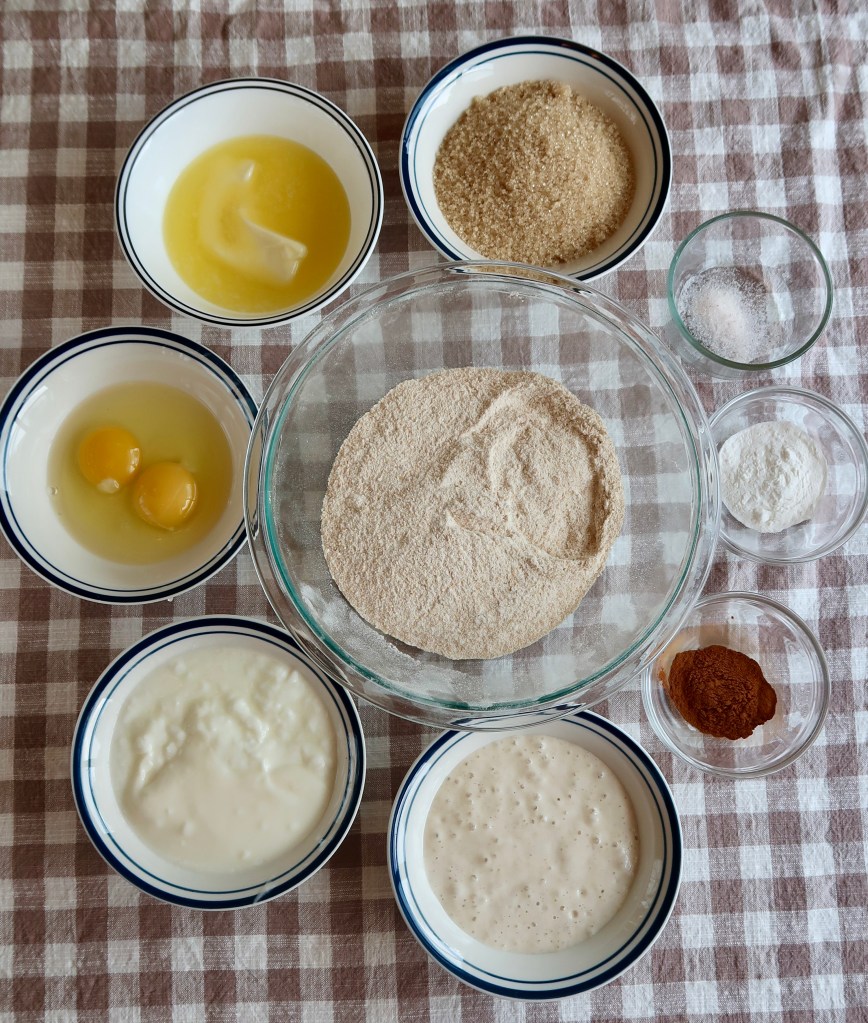
- Fresh-milled flour (soft white or another low-protein wheat)
- Sourdough Starter
- Yogurt
- Eggs
- Melted, unstalted butter
- Sugar
- Salt
- Baking powder
- Cinnamon
Step-by-Step: How To Make Cinnamon Sugar Sourdough Muffins with Fresh-Milled Flour
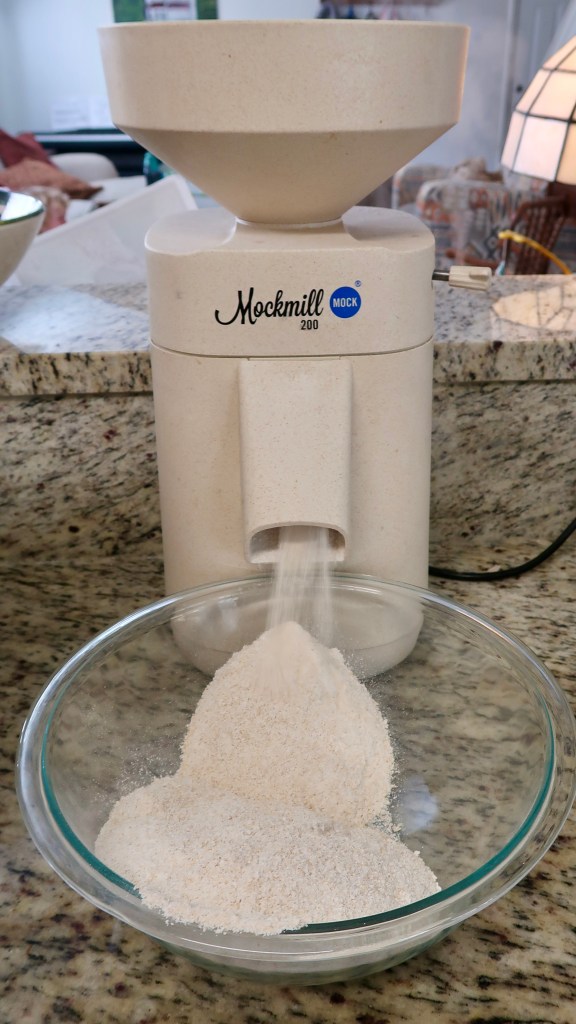
Step 1: Mill the grain
Freshly mill your soft white wheat berries and set the flour aside.
Step 2: Melt the butter
Melt the butter while the grain is milling, then allow it to cool slightly so it doesn’t cook the eggs.
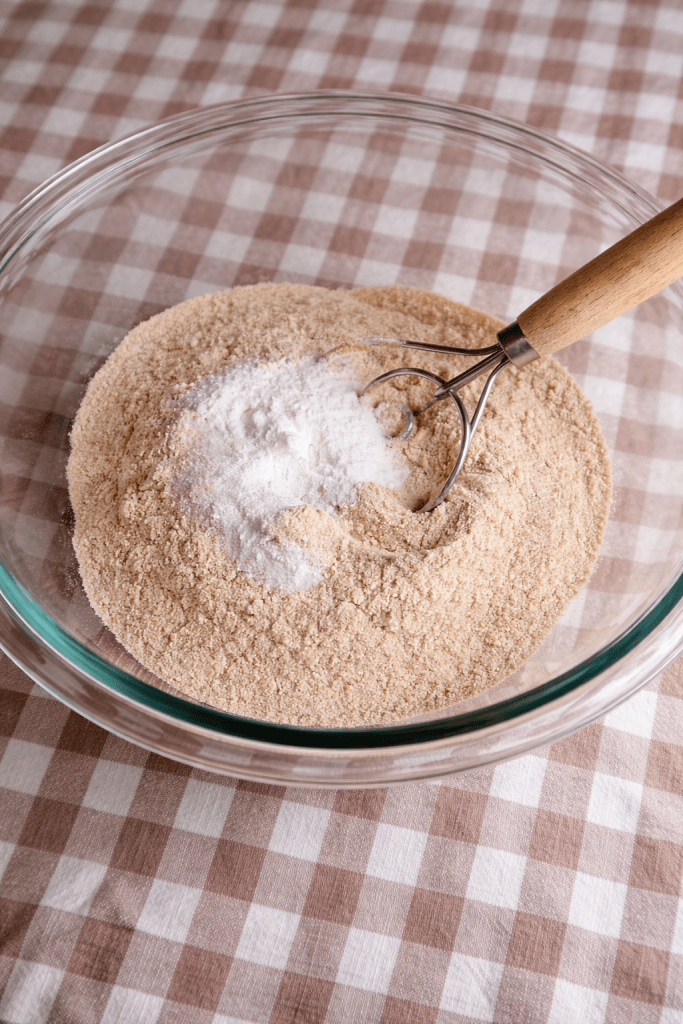
Step 3: Mix the dry ingredients
In a large bowl, whisk together the flour, cinnamon, salt, baking powder, and sugar.
Step 4: Mix the wet ingredients
In a separate bowl, whisk together the active sourdough starter, yogurt, eggs, and melted butter.
Step 5: Combine
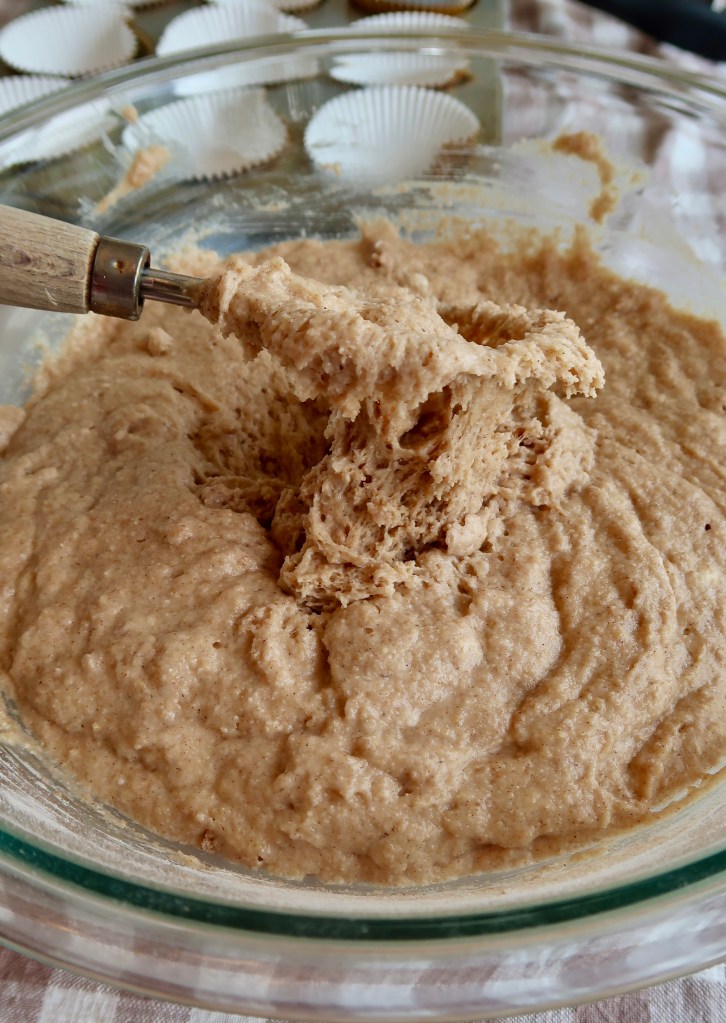
Add the dry ingredients to the wet ingredients and stir just until combined. Do not overmix.
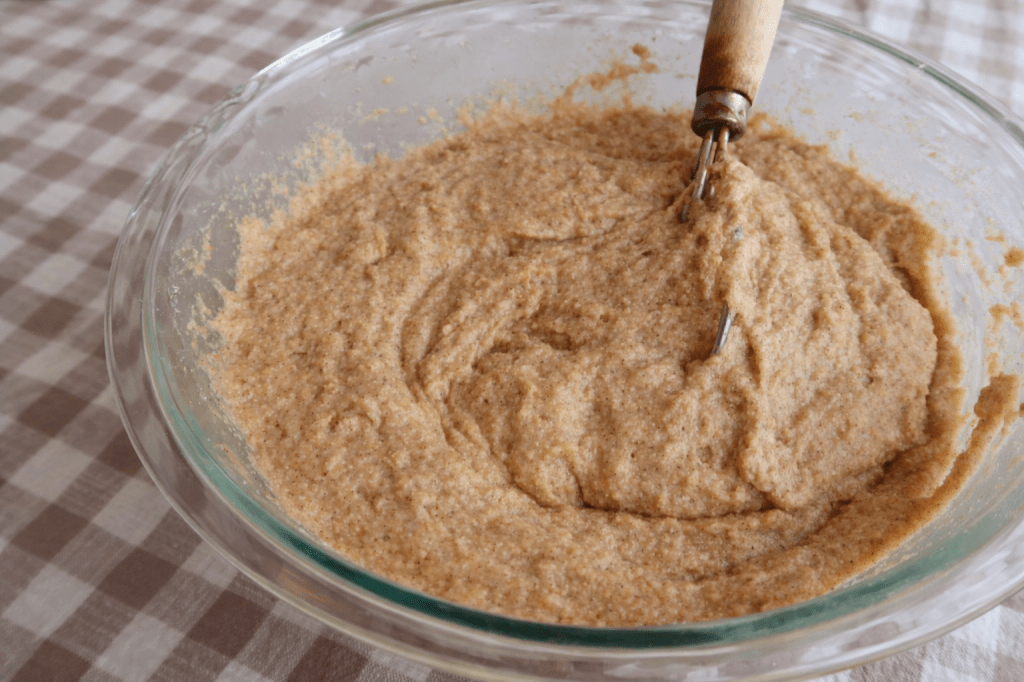
Step 6: Rest the batter
Cover the bowl with a tea towel and let the batter rest for 15–30 minutes while the oven preheats.
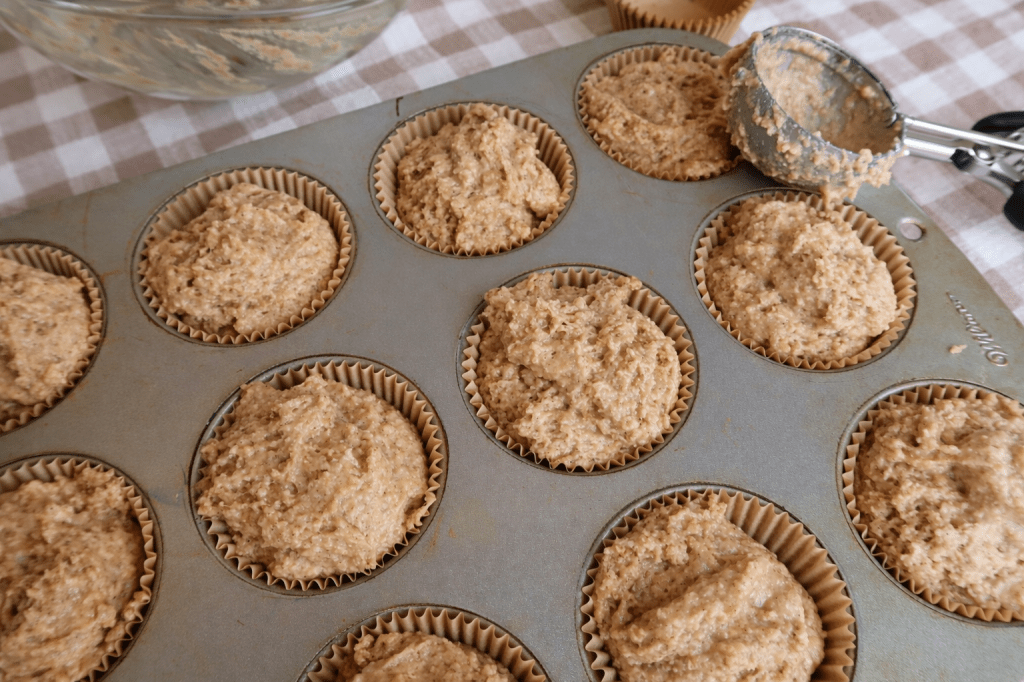
Step 7: Fill the muffin tin
Line a muffin tin with paper liners and divide the batter evenly. Sprinkle the tops lightly with sugar.
Step 8: Bake
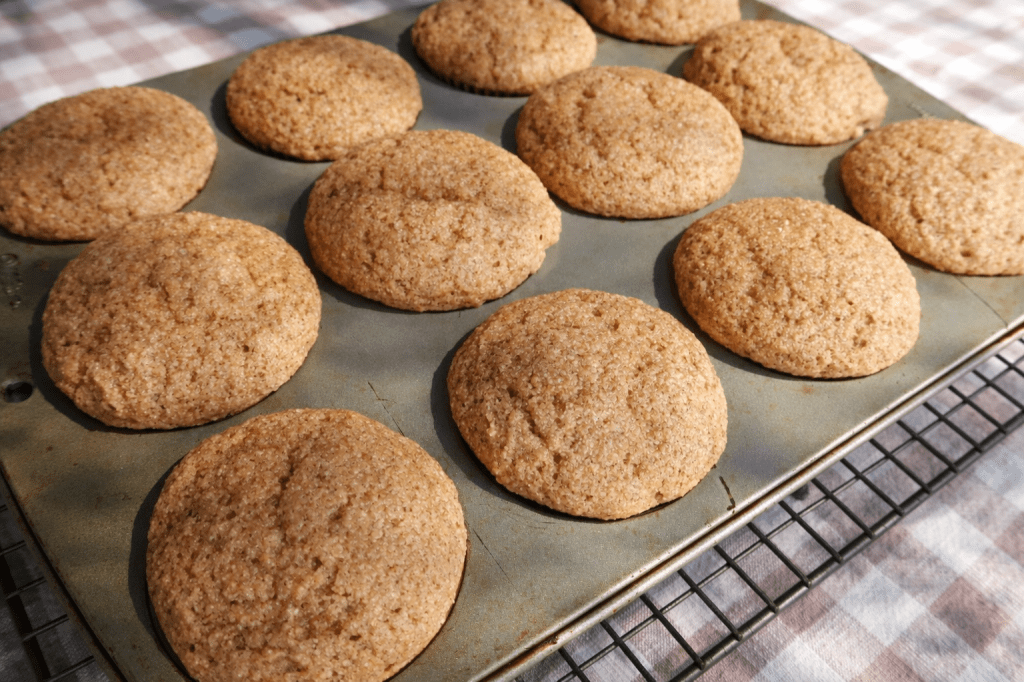
Bake at 425°F for 5 minutes, then reduce the oven temperature to 350°F and bake for 15 more minutes, or until a toothpick comes out clean.
Step 9: Cool
Remove muffins from the pan and cool completely on a wire rack before serving.
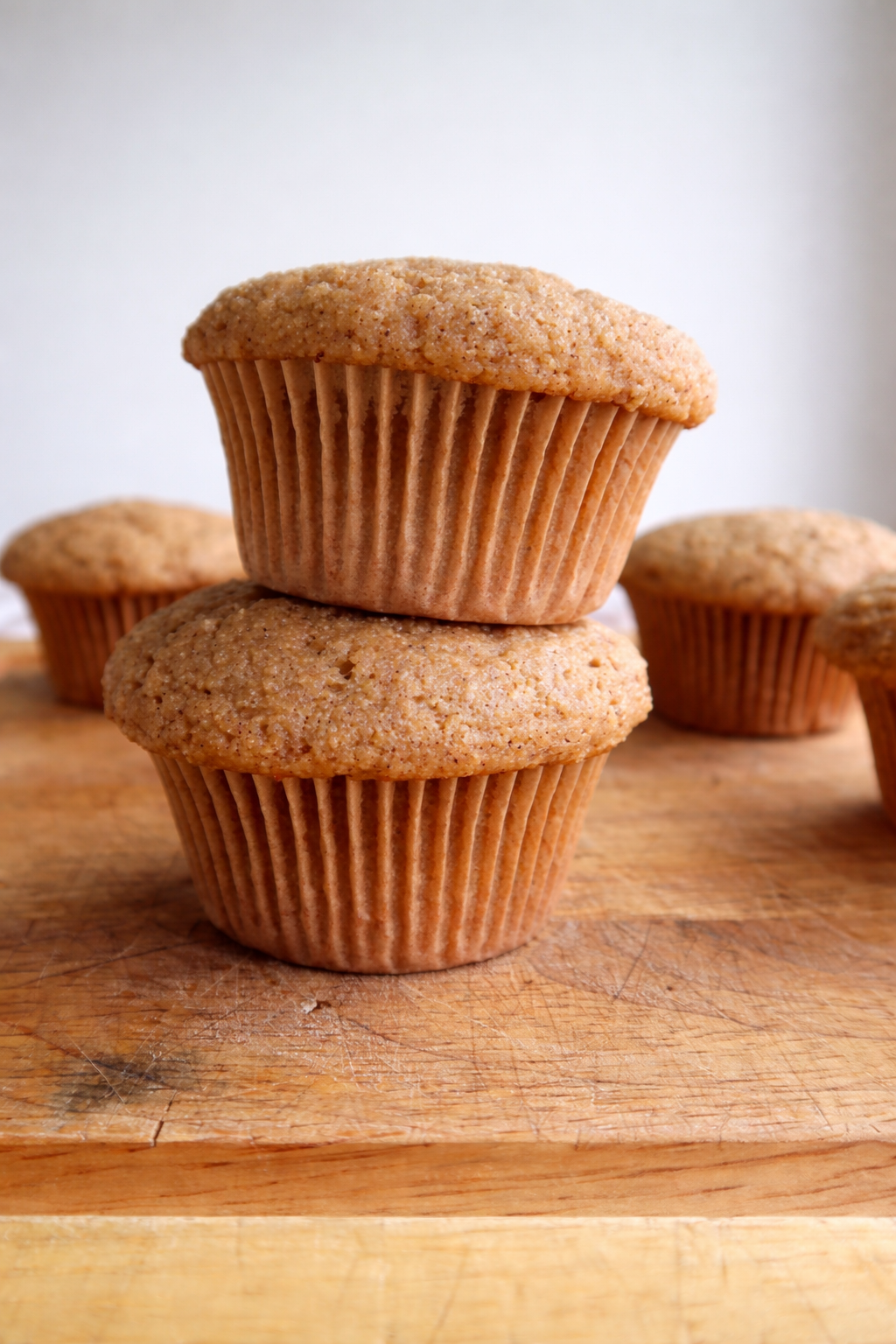
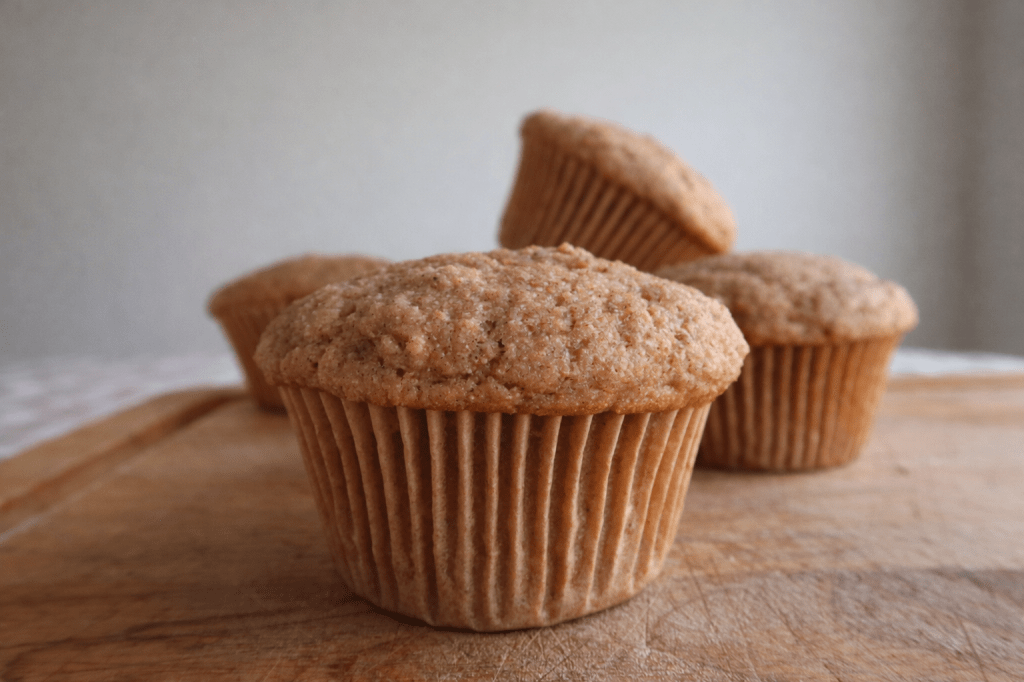
Cinnamon Sugar Fresh-Milled Sourdough Muffins
Ingredients
For best results, gram measurements are recommended for accuracy.
- 1 1/2 tsp (5g) cinnamon
- 1/2 tsp (3g) salt
- 1 tbsp (15g) baking powder
- 2 1/2 cups (310g) fresh-milled soft white wheat flour
- 3/4 cup (150g) active sourdough starter
- 1/2 cup (113g) unsalted butter, melted
- 1 cup (250g) full-fat yogurt
- 2 large eggs
- 1 cup (200g) sugar, plus more to sprinkle on top
Instructions
- Mill your grains.
- Melt the butter while the grains are being milled, then allow it to cool slightly.
- Mix the dry ingredients in a large bowl.
- Mix the wet ingredients in a separate bowl.
- Add the dry ingredients to the wet ingredients and stir until just combined. Do not overmix.
- Preheat the oven to 425°F and line a muffin tin with paper liners.
- Let the batter rest, covered, for 15–30 minutes.
- Sprinkle sugar on top and bake at 425°F for 5 minutes. Reduce oven temperature to 350°F and bake for 15 more minutes, or until a toothpick comes out clean.
- Cool completely on a wire rack.
Nutrition (per muffin, estimated):
Calories: 289 | Fat: 6.3g | Carbs: 57g | Protein: 8.5g | Cholesterol: 72mg | Sodium: 1744mg
Extra Tips for Perfect Muffins Every Time
- Be sure to grind your grains as fine as possible—this is especially important for quick breads and pastries.
- Let the batter sit for 15–30 minutes before baking. This allows the bran and germ to absorb liquid, resulting in a less crumbly product.
- Try to keep your little blessings from devouring the muffins while hot! I find that hot muffins tend to stick to the paper liners, but they release cleanly once cooled almost completely.
Muffin Flavor Variations You Can Try
I worked hard to create what I feel is a perfect base muffin recipe. Feel free to swap out flavors or add-ins!
- Omit the cinnamon, or keep it, and throw in chocolate chips.
- Omit the cinnamon, add lemon zest and blueberries.
- Swap the yogurt for pumpkin purée for a lovely fall flavor.
Please note that adding volume to any baked good can lengthen baking time.
How to Freeze Fresh-Milled Muffins Without Fancy Equipment
Our family doesn’t own any fancy food freezing tools. We simply put the cooled muffins in a gallon freezer bag, seal it most of the way, and then use a straw to suck out as much air as possible. They stay in their prime for up to 3 months.
FAQ
Can I make these without sourdough starter?
Absolutely! Just replace the sourdough starter with an equal amount of yogurt, or milk. Be mindful of the batter’s texture—you want it to be stiff enough to hold its shape, but not heavy like a bread dough.
Can I make this recipe with all-purpose flour?
Yes! I often do this when I don’t feel like milling (or when the baby is sleeping). Just be sure to reduce the flour by about 2 tablespoons per cup. As always, pay attention to the texture of your batter—it should be slightly thick and scoopable.
Can I make these muffins dairy-free?
Of course! Coconut oil and coconut yogurt would make a lovely flavor addition to this recipe. Avocado oil and almond yogurt would work well, too.
Do I have to let the batter rest before baking?
I highly recommend it. The bran and germ in fresh-milled flour take longer to absorb moisture, and resting the batter gives everything time to come together. If you skip it, that’s okay—but your muffins may turn out a bit more crumbly.
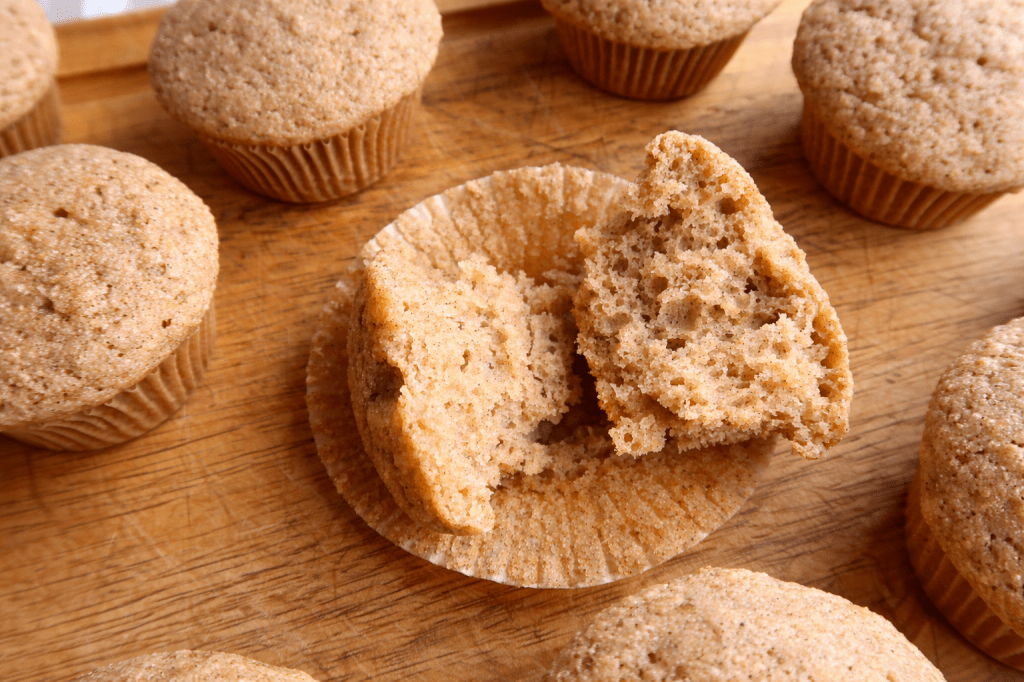
I hope your family enjoys these muffins as much as mine!
What’s your favorite way to enjoy Cinnamon Sugar Fresh-Milled Sourdough Muffins? I’d love to hear in the comment section below.
Blessings,
Payton



 thecontentedhearth.com
Leave a comment