
This post may contain affiliate links. See our disclosure policy.
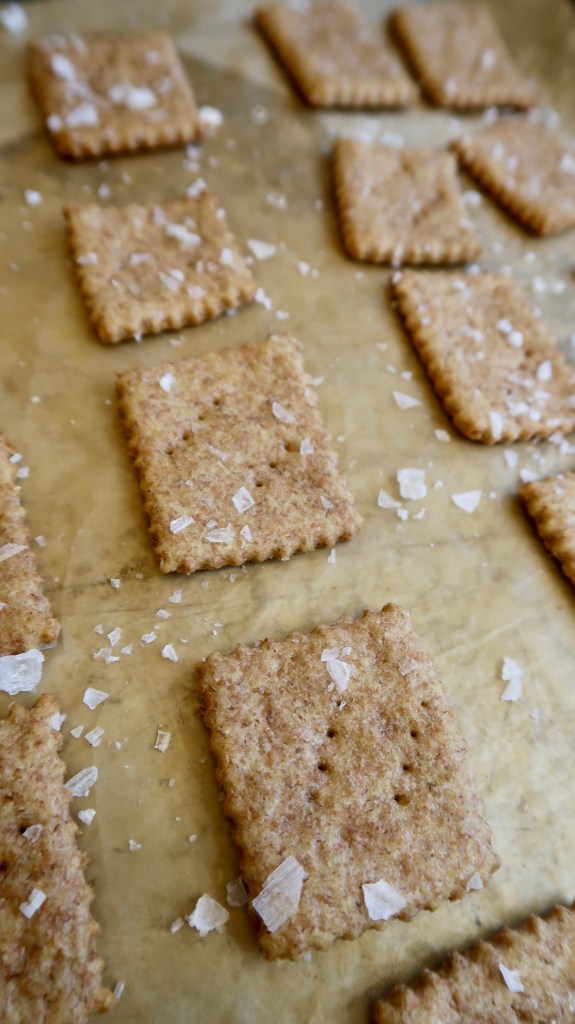
Do you love a crisp, buttery cracker but hate the strange ingredients in store-bought versions? Do you crave that classic Saltine flavor but wish it came from wholesome, fresh ingredients instead?
Well then, do I have the perfect recipe for you!
My Homemade Spelt Saltine Crackers are a healthy twist on the classic—light, crisp, and full of buttery flavor. Made with fresh-milled spelt flour, one of the original ancient grains, these crackers are rich in nutrients and have a slightly nutty, wholesome taste that modern wheat just can’t match.
With the perfect balance of salt and crunch, these healthy homemade crackers have become a staple in my kitchen—and I’m sure they’ll become a favorite in yours too.
Read on to learn how simple it is to make these delicious, nutritious spelt saltine copycat crackers from scratch!
Why Bake with Fresh-Milled Flour?
Simply put, it is much more nutrient-rich.
When wheat is milled and the bran and germ are removed to create all-purpose flour, most of the fiber, vitamins, minerals, and healthy fats are lost. What remains is mostly starch and some protein. Because starch is rapidly broken down into glucose, baked goods made with white flour can cause a much sharper rise in blood sugar compared to whole-grain versions.
Below is a chart listing all of the nutrients contained in the simple, whole wheat berry. It’s amazing!
✨ Nutrients in Fresh-Milled Whole Wheat Flour
Fresh-milled flour is rich in naturally occurring nutrients that are often lost in store-bought white flour. By milling your own grains at home, you retain the full spectrum of vitamins, minerals, and fiber—exactly as God designed it.
🌾 Macronutrients
- Protein
- Healthy Carbohydrates
- Dietary Fiber
- Natural Fats (small amounts)
💪 Key Vitamins
- Thiamine (B1)
- Riboflavin (B2)
- Niacin (B3)
- Pantothenic Acid (B5)
- Pyridoxine (B6)
- Folate (B9)
- Vitamin E
🧂 Essential Minerals
- Iron
- Magnesium
- Phosphorus
- Potassium
- Calcium
- Zinc
- Selenium
- Copper
- Manganese
- Natural Sodium (very low)
Note: Nutrient content can vary depending on the wheat variety and freshness, but fresh-milled flour is always more nourishing than refined alternatives.
Check out my blog post here for a more thorough breakdown of the benefits of fresh-milled flours.
What Type of Wheat Berries Should I Use?
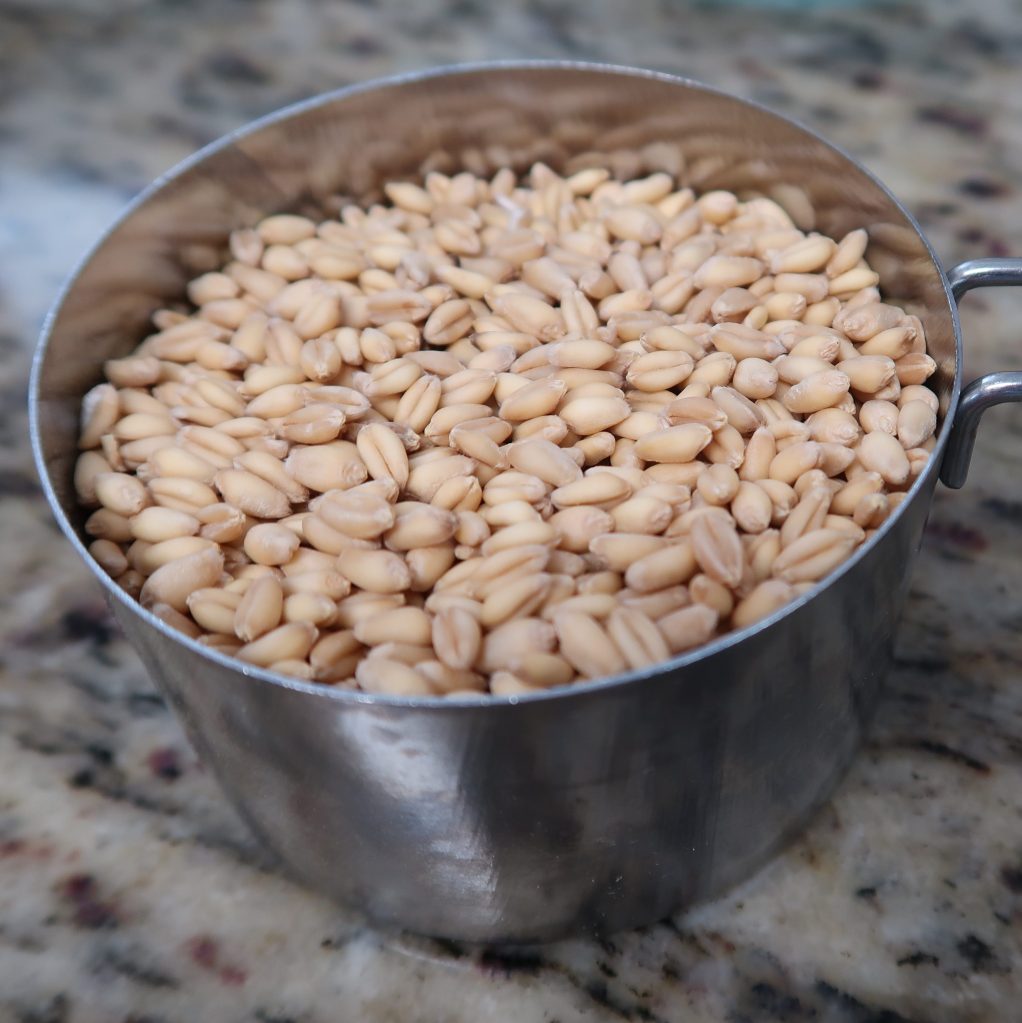
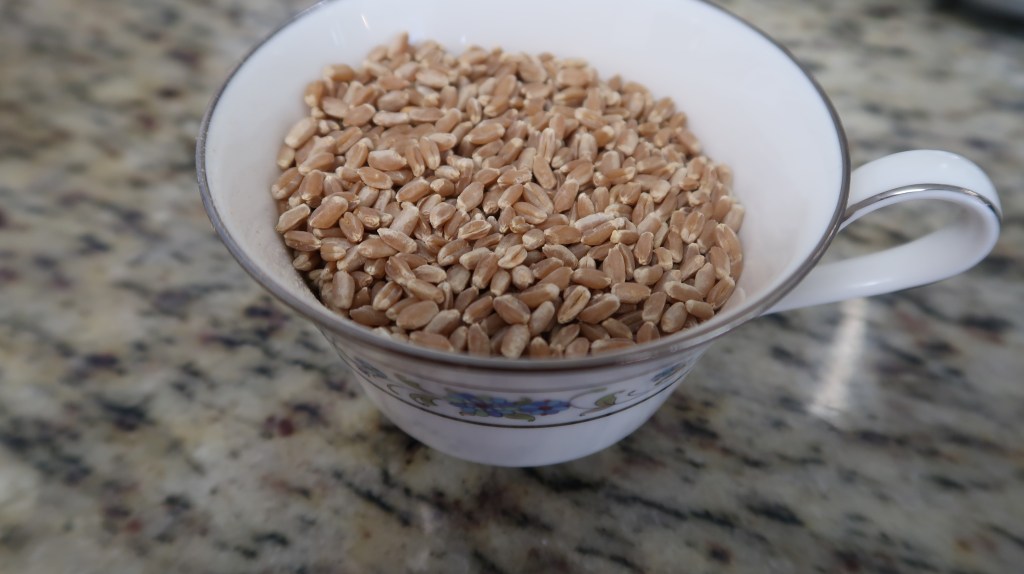
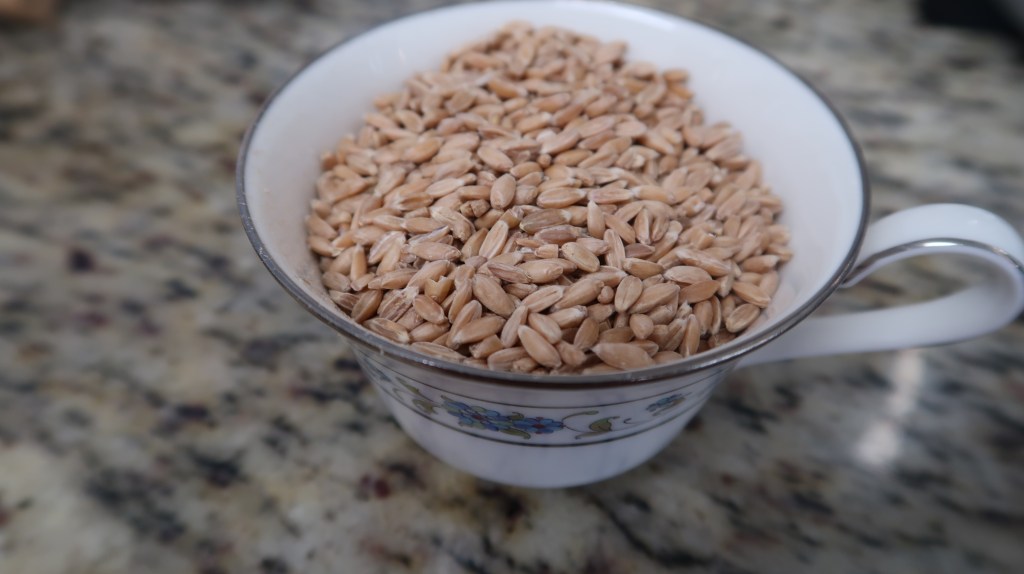
Different wheat berries contain varying amounts of protein, and two key proteins are essential for creating a strong gluten network: glutenin and gliadin.
- Glutenin – Gives dough strength and elasticity, helping bread hold its shape and rise.
- Gliadin – Makes dough stretchy and extensible, allowing it to expand during fermentation and baking.
When these two proteins work together, you get a strong, resilient gluten network that produces a perfect rise.
Crackers, however, are quite flexible when it comes to grain choice. Because a strong gluten network isn’t particularly important, you have plenty of options to experiment with. This makes crackers the perfect recipe for trying fully ancient grains.
Ancient grains—like spelt, einkorn, and emmer—are often considered healthier than modern wheat because they’ve remained largely unchanged over time. They tend to have a more balanced nutrient profile, offering higher levels of protein, fiber, and minerals, and are often easier to digest for some people. Unlike heavily hybridized modern wheat, ancient grains retain their original structure and flavor, making them a more wholesome, natural choice for those seeking traditional, nutrient-dense grains.
I’ve had great success using spelt and einkorn berries, and I’m hoping to try Khorasan (Kamut) wheat berries next!
Check out my blog post that gives more information on wheat berries and their uses.
Ingredients You’ll Need
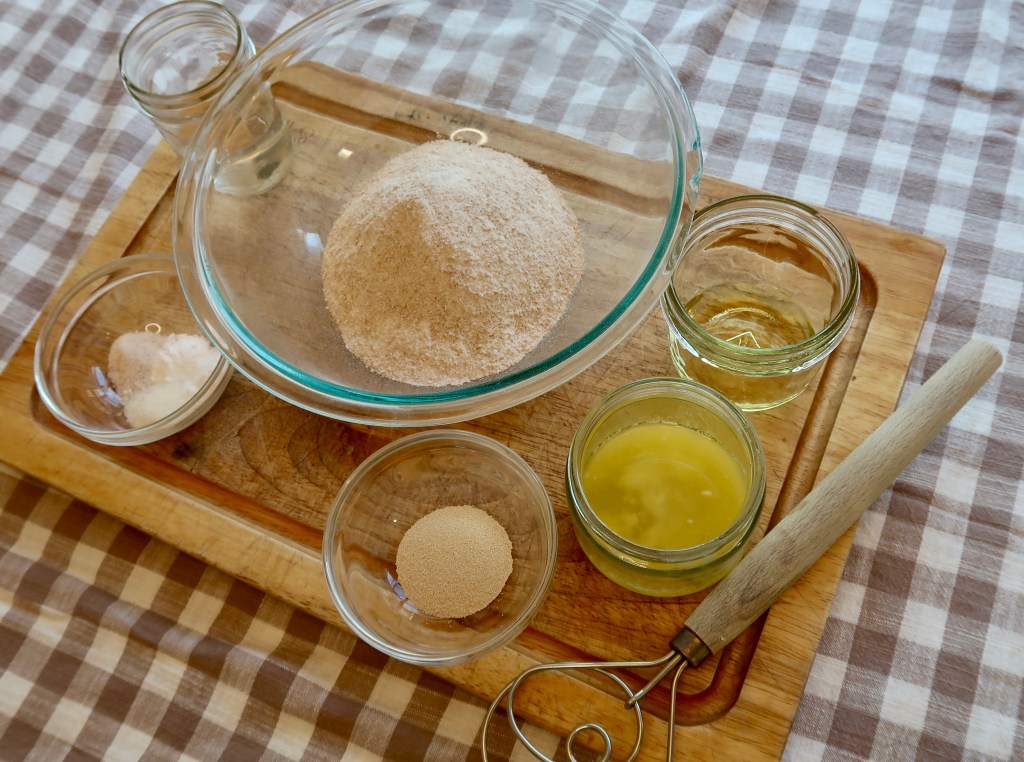
- Fresh-milled Spelt (or any wheat berry you prefer)
- Instant Yeast
- Sugar
- Baking Soda
- Cream of Tartar
- Salt
- Water
- Melted Unsalted Butter
- Avocado Oil (or any neutral oil)
Tools & Equipment
You need minimal equipment for this recipe. Perfect for any beginner baker!
- Grain Mill
- Large glass bowl
- Mixing utensil
- Baking Sheet
- Rolling Pin
- Parchment Paper
- Pasta Cutter or Pizza Cutter
Step-by-Step: How to Make Spelt Copycat Saltine Crackers
Step 1: Prepare the Dough
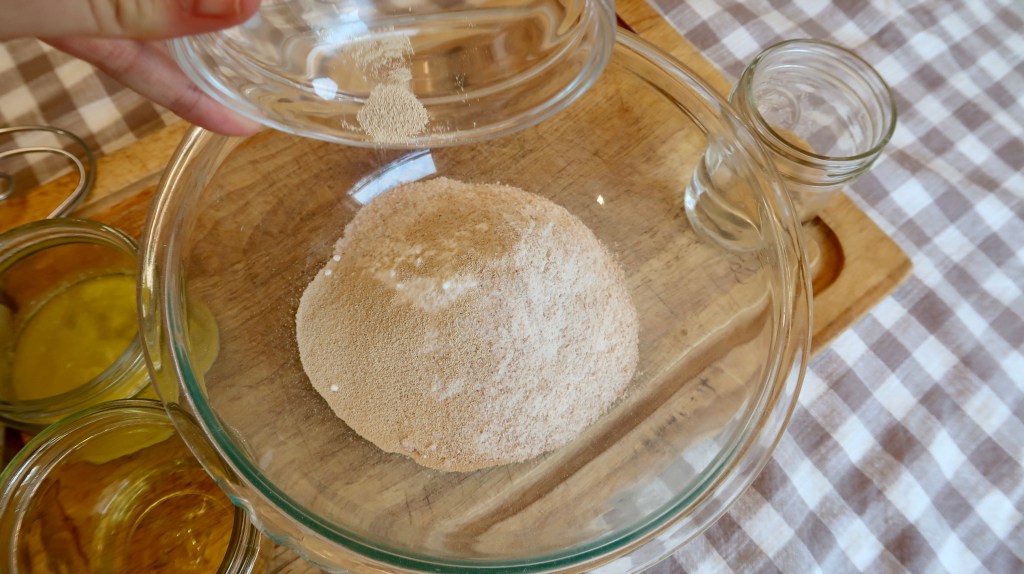
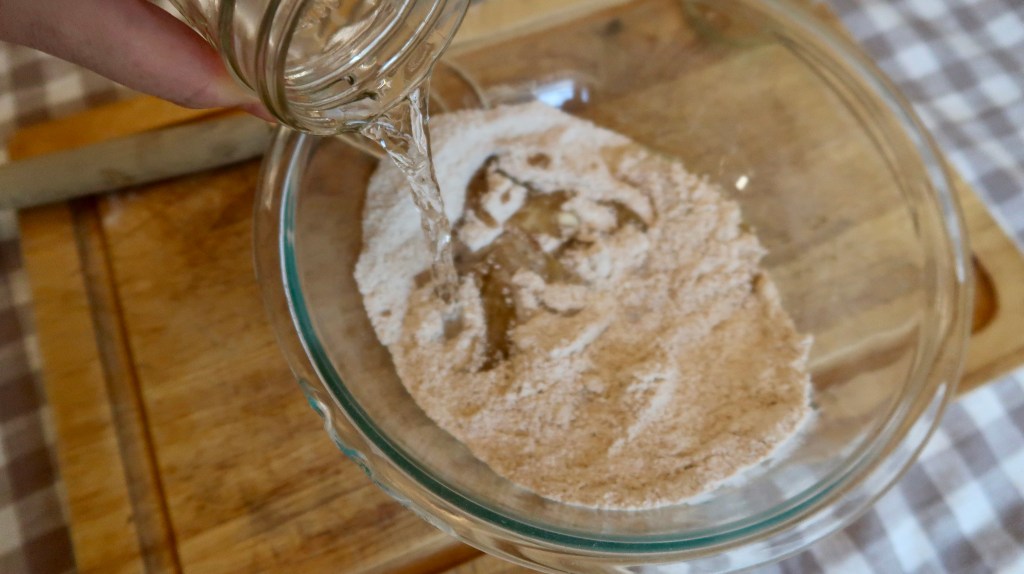
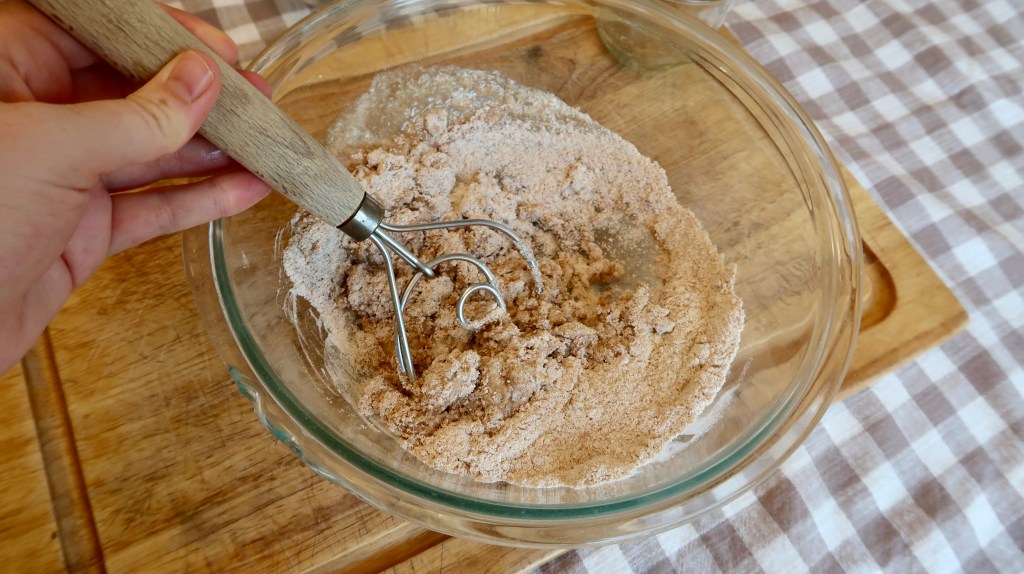
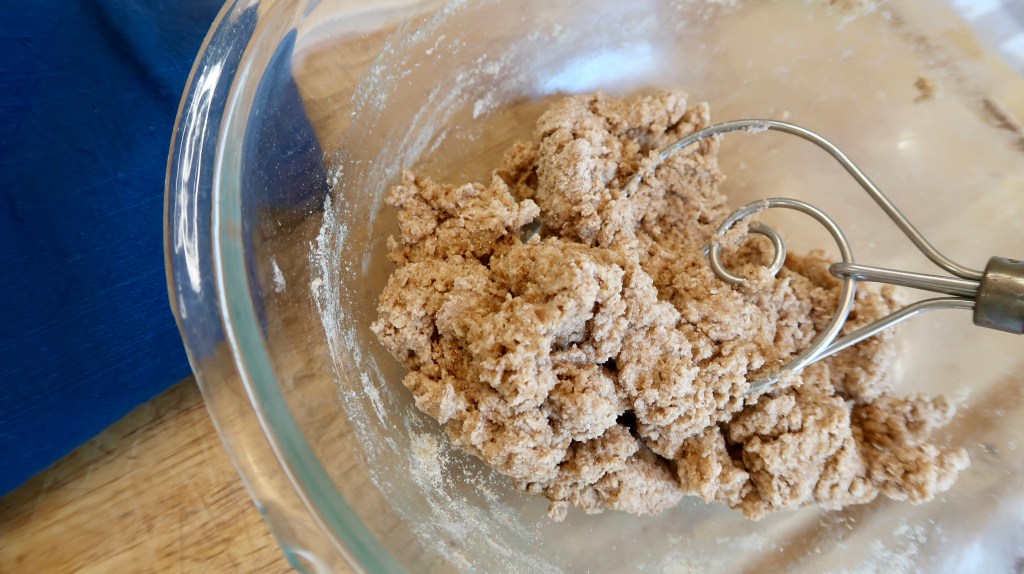
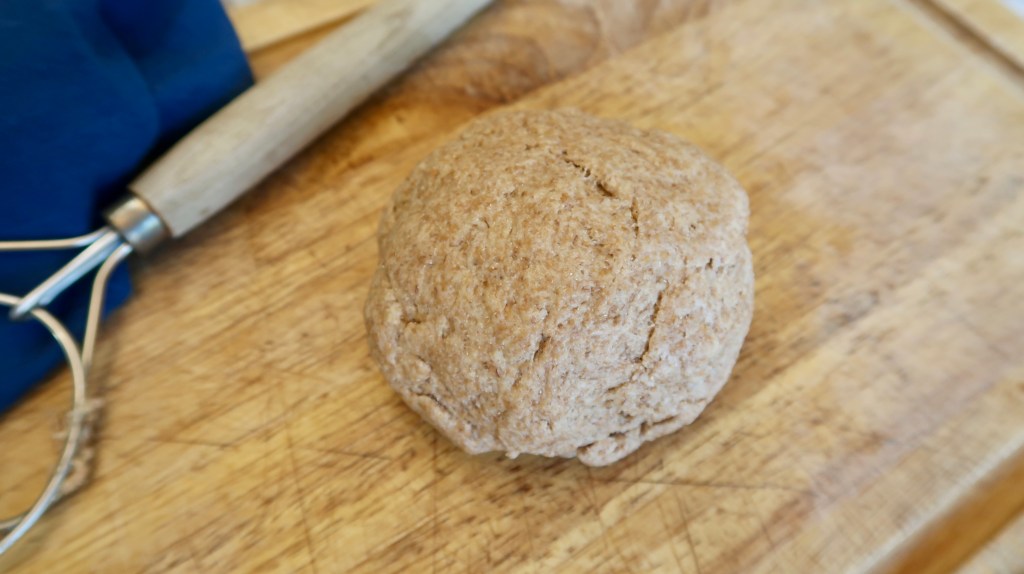
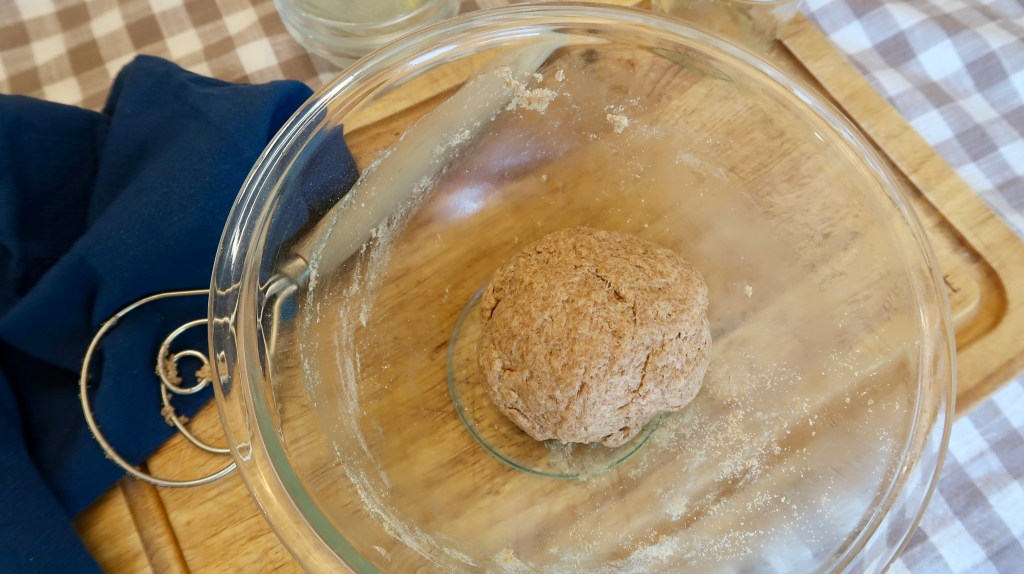
- Mill your grains finely.
- Melt the butter and set aside to cool slightly.
- In a large bowl, mix together all the dry ingredients.
- Add the wet ingredients into the dry and mix until a dough forms.
- Knead the dough by hand on the countertop for a few minutes, until smooth.
- Place in a covered bowl and let rest in the refrigerator overnight.
Step 2: Rolling and Shaping
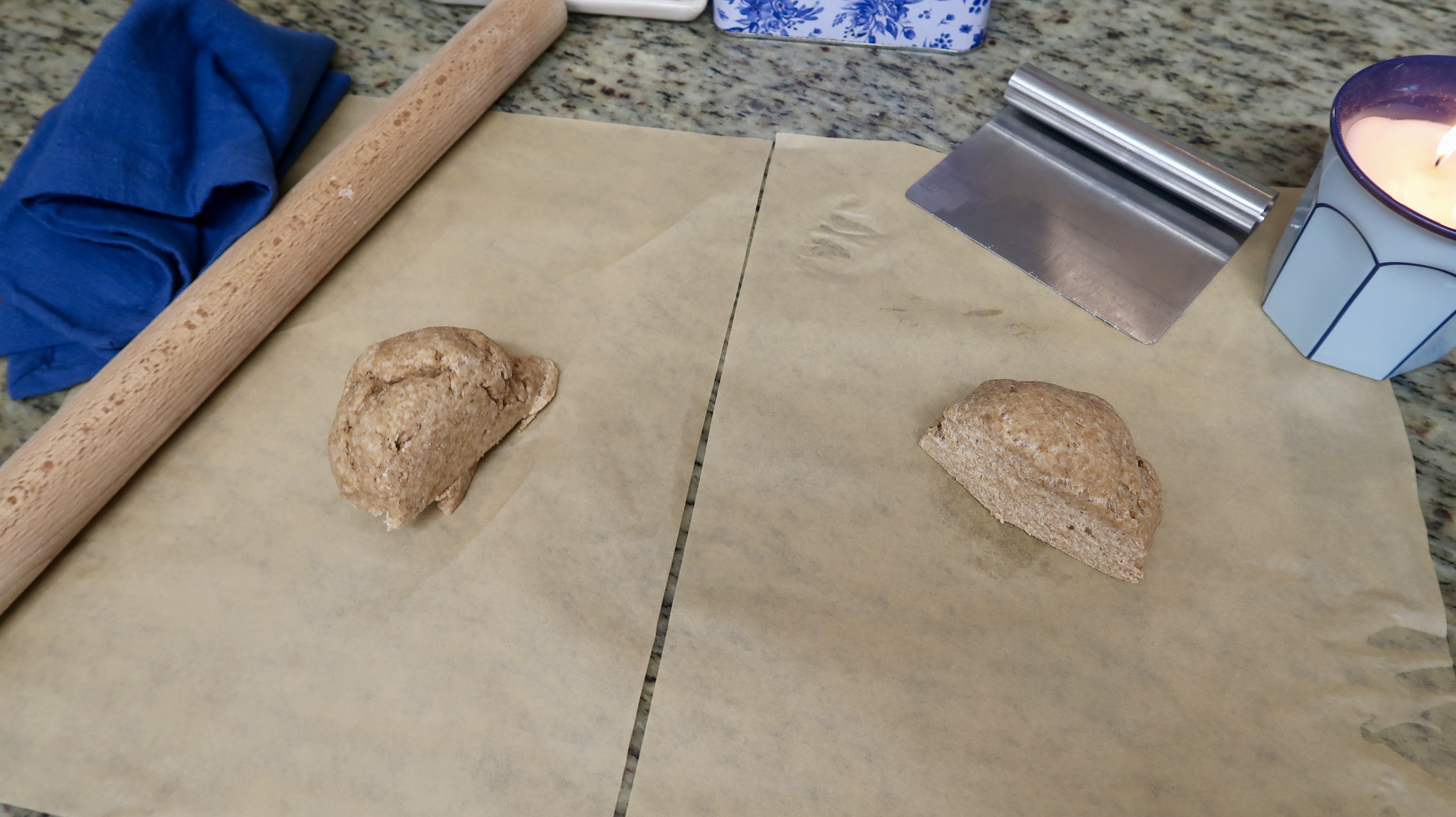
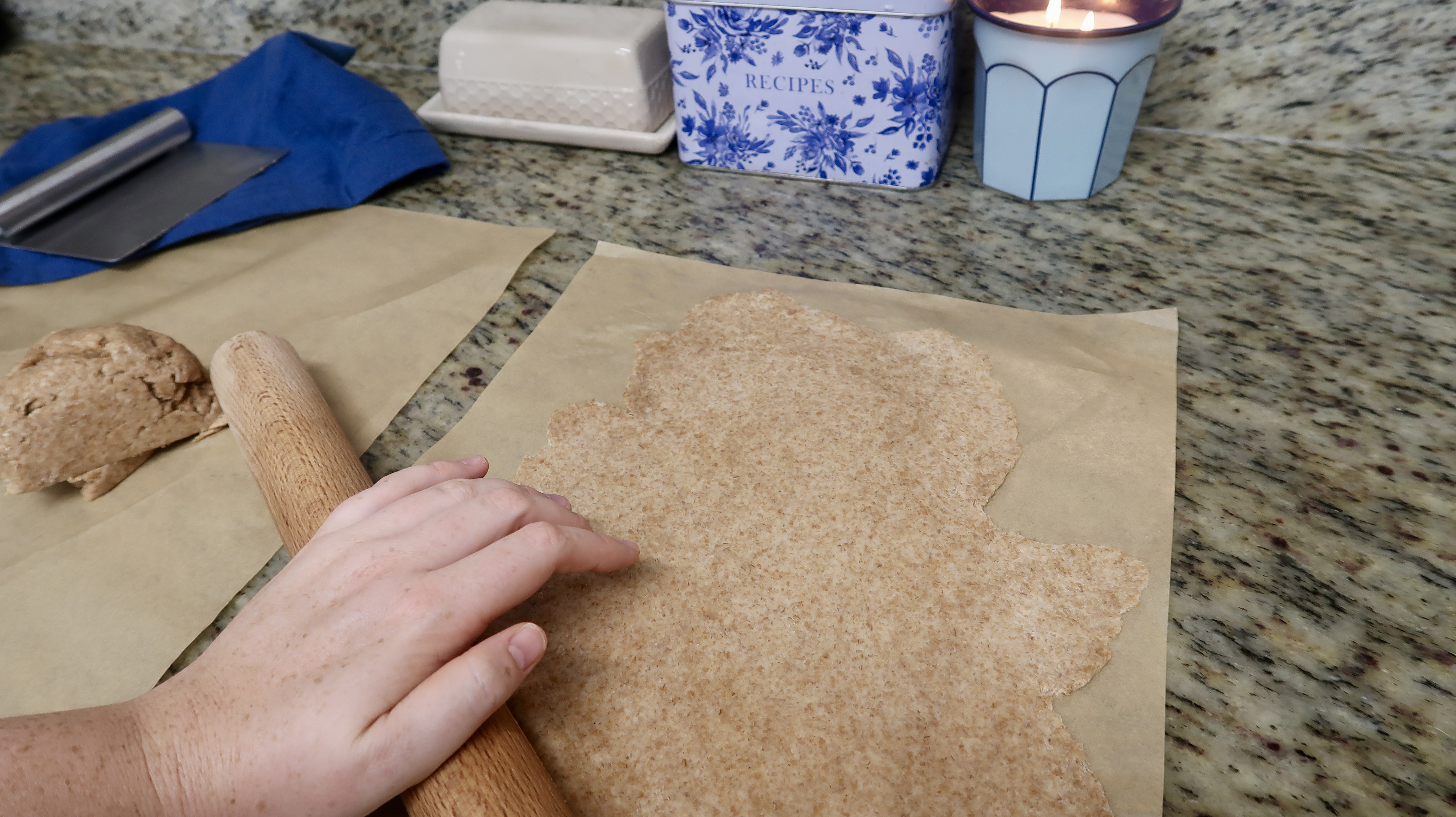
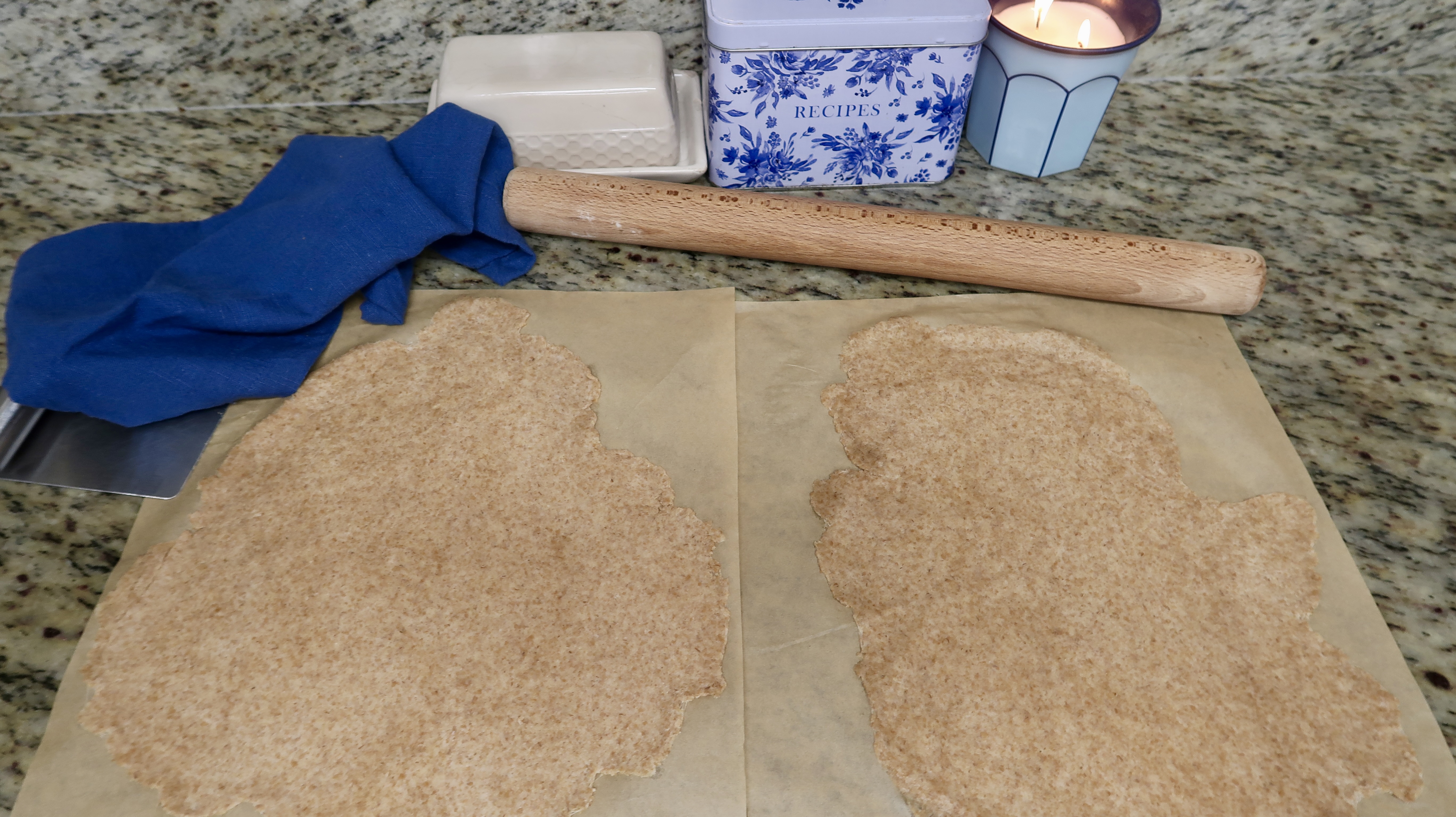
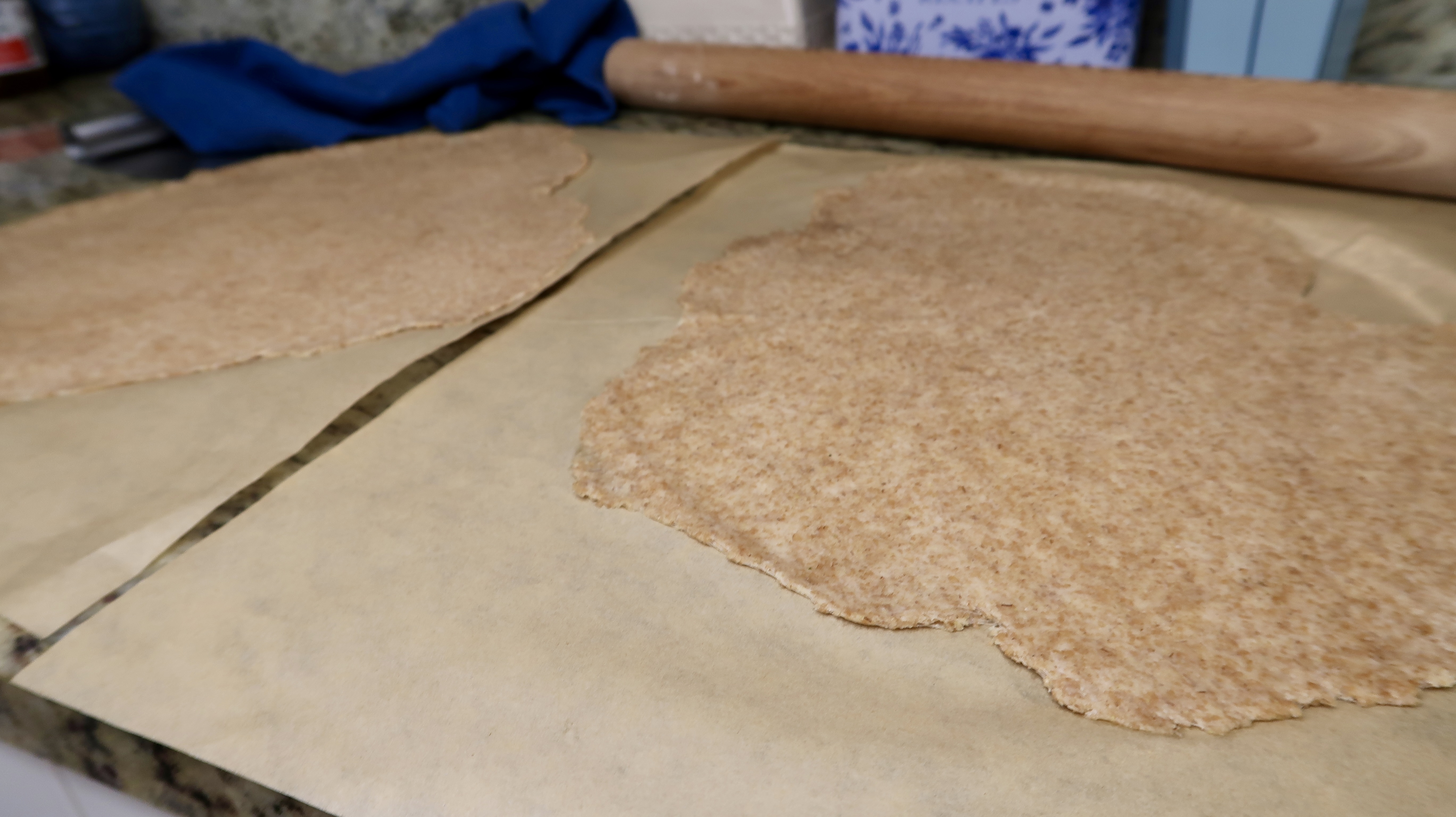
- Preheat your oven to 400°F (204°C).
- Let the dough warm on the counter for about 15 minutes.
- Cut two pieces of parchment paper to fit your baking pans and divide the dough in half.
- Using a rolling pin and a light dusting of flour, roll out the dough as thinly as possible without tearing—focus on getting the center even.
Step 3: Docking and Seasoning
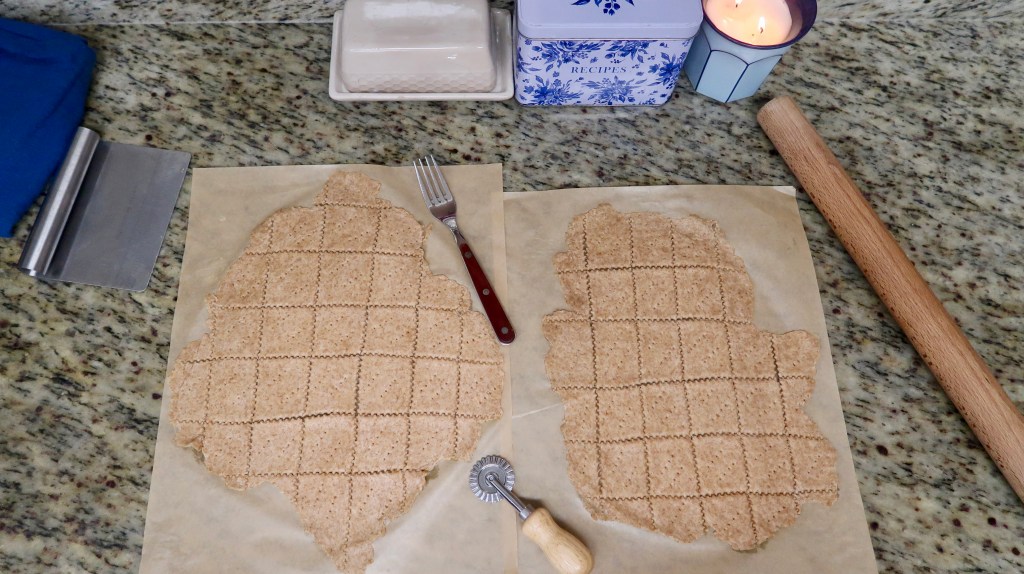
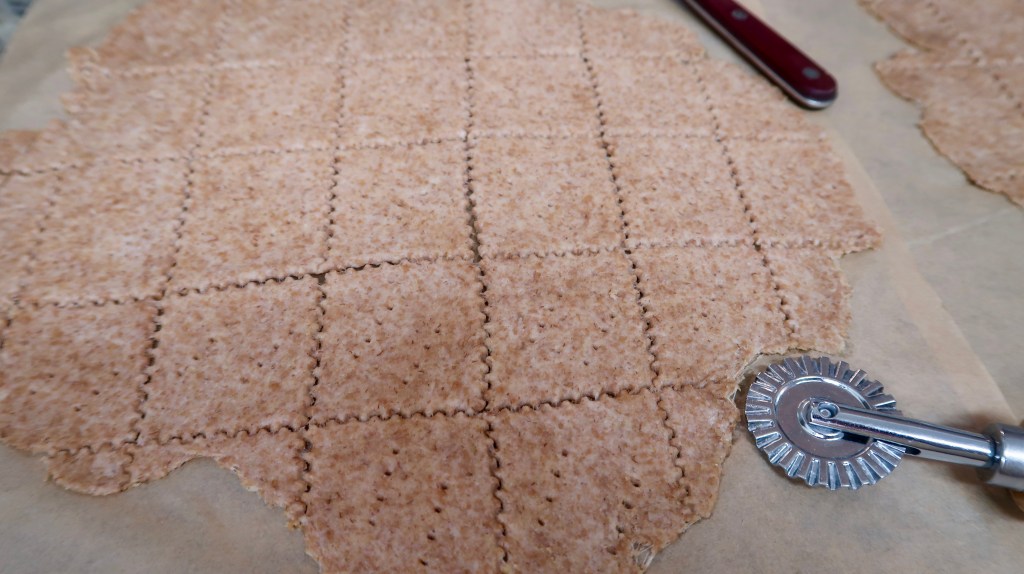
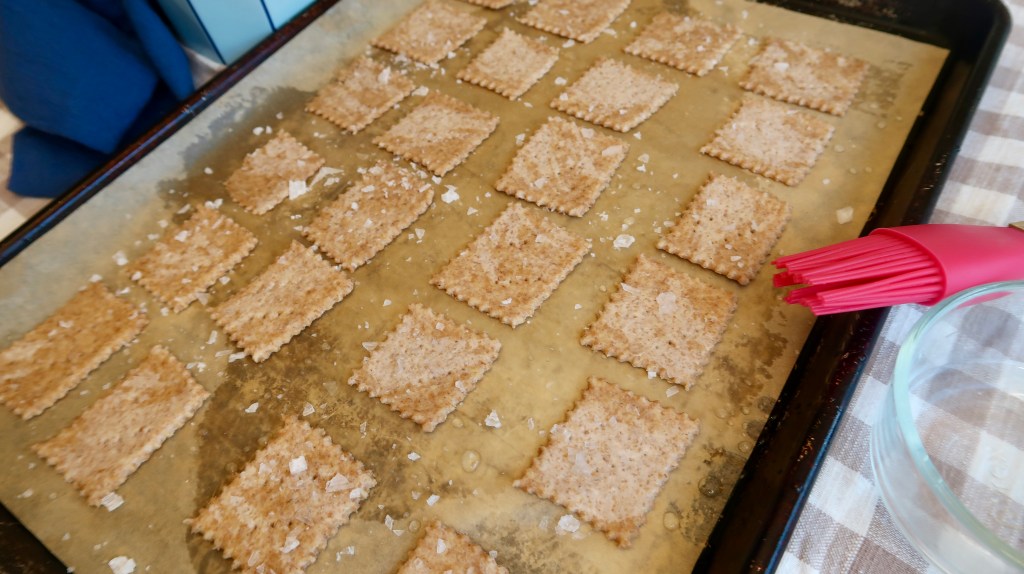
- Measuring is optional but helps achieve a more uniform look.
- Use a pasta or pizza cutter to cut the dough into cracker shapes. You don’t need to separate them, but press firmly enough to cut through the dough.
- Use a fork to poke holes (dock) in each cracker.
- Brush the surface lightly with water and sprinkle with flaky salt or your seasoning of choice.
Step 4: Baking
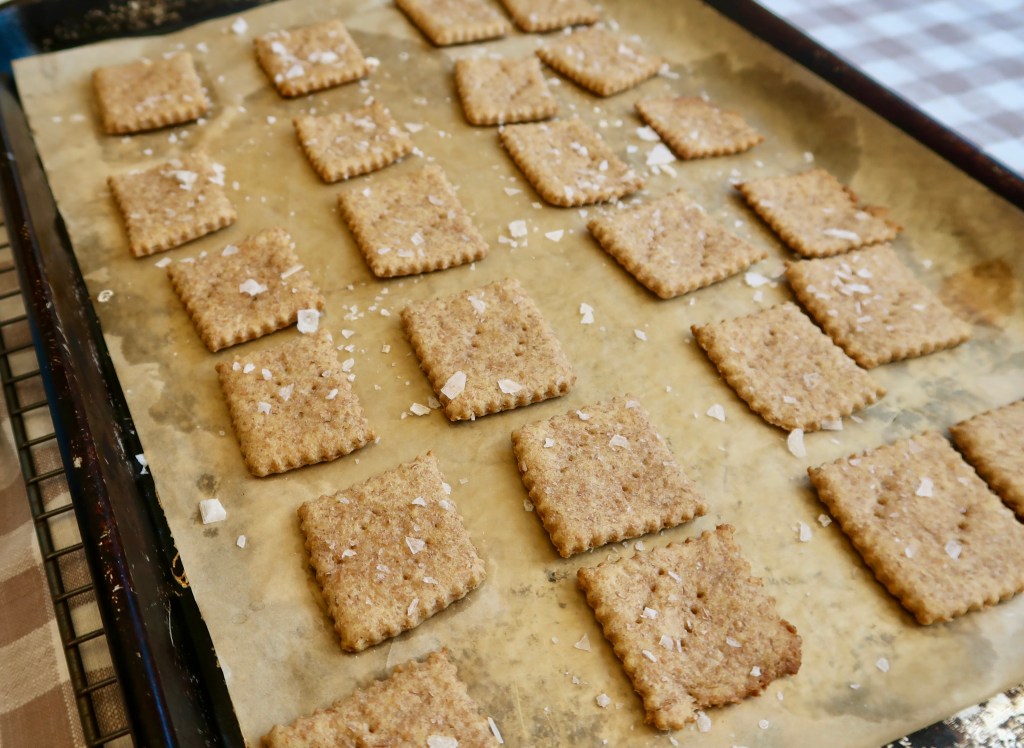
- Bake at 400°F (204°C) for 8–10 minutes.
- Begin checking at the 8-minute mark—you’re looking for a light golden color on the bottoms.
Step 5: Cooling and Storing
- Let the crackers cool completely before handling.
- Store in an airtight container for up to 3 days to maintain crispness.
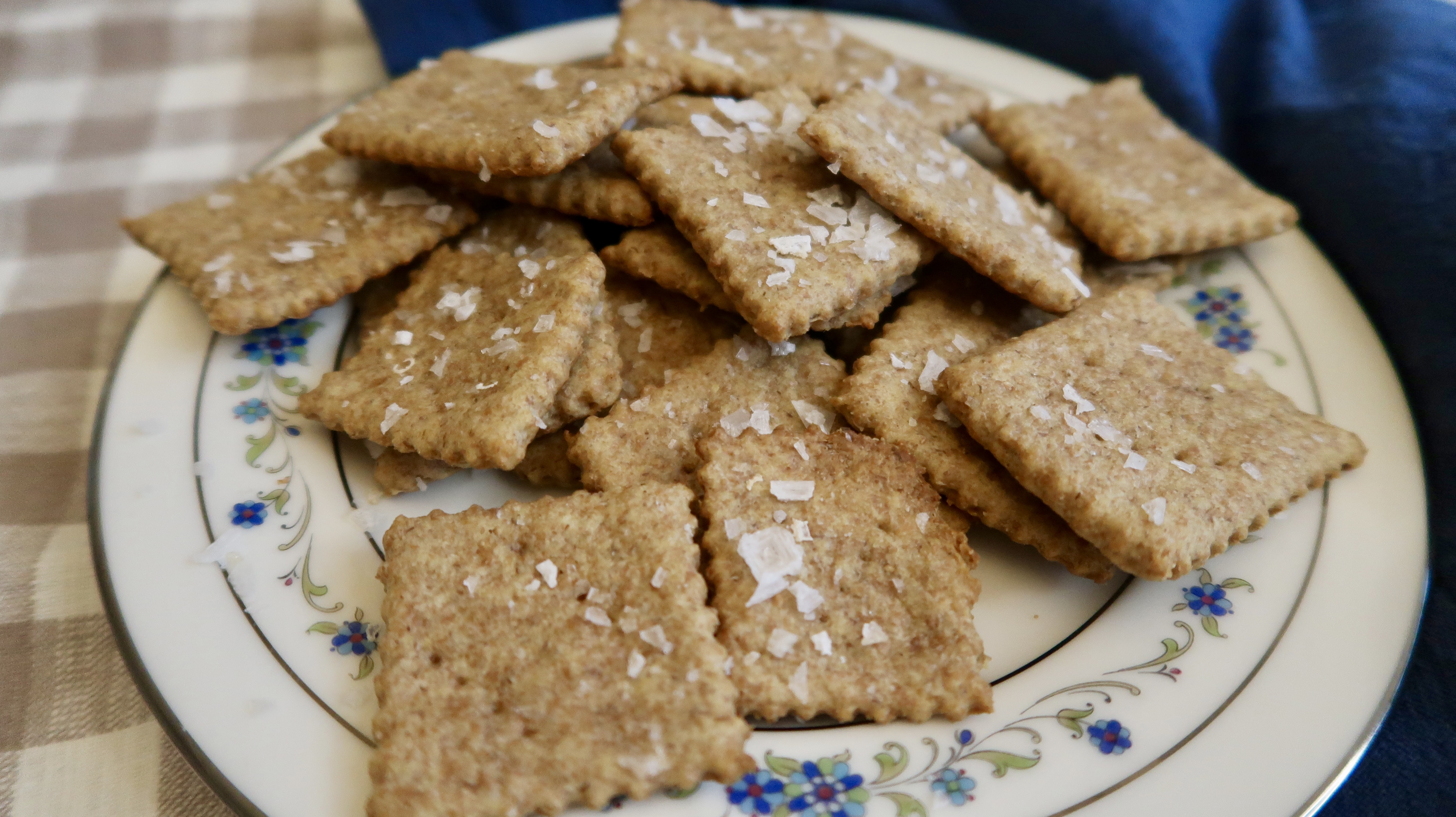
Spelt Saltine Crackers (Fresh-Milled)
Crisp, buttery homemade crackers made with freshly milled spelt flour.
Ingredients
- 1 ⅔ cup (200 g) fresh-milled spelt flour
- 2 tsp instant yeast
- 1 tsp sugar
- ¼ tsp baking soda
- ¼ tsp cream of tartar
- ½ tsp salt
- 3 tbsp unsalted butter, melted
- ⅓ cup water
- 2 tbsp avocado oil (or other neutral oil)
- Flaky salt, for topping
Directions
- Mill your flour. Finely mill your spelt flour.
- Prepare butter. Melt the unsalted butter and let it cool slightly.
- Combine dry ingredients. In a large mixing bowl, whisk together the freshly milled flour, instant yeast, sugar, baking soda, cream of tartar, and salt.
- Mix the dough. Add the melted butter, water, and oil to the dry mixture. Stir until no dry flour remains.
- Knead. Knead the dough for a few minutes until it comes together into a soft, slightly loose ball.
- Refrigerate overnight. Place the dough in a covered bowl and refrigerate overnight.
- Preheat oven. The next day, remove the dough from the refrigerator and let it come to room temperature while preheating the oven to 400°F (204°C).
- Roll out. Divide the dough in half and roll each portion on parchment paper as thinly as possible without tearing.
- Cut and top. Use a pasta cutter or knife to cut into cracker shapes. Poke holes in each cracker with a fork, brush lightly with water, and top with flaky salt.
- Bake. Transfer the parchment sheets to baking trays and bake for 8–10 minutes, or until the bottoms are lightly golden.
- Cool and enjoy. Let the crackers cool completely before storing or serving.
Notes & Tips
- The thinner you roll the dough, the crisper the crackers will be.
- Watch closely near the end of baking to prevent over-browning.
- For a flavor twist, sprinkle the tops with garlic powder, herbs, or grated cheese before baking.
Recipe Notes & Tips
- An overnight rest in the fridge is essential. This gives the grains plenty of time to absorb the liquid in the recipe, helping the crackers hold together and preventing them from turning out overly crumbly.
- I’ll add that making the dough early in the morning, and rolling/baking in the evening will work well too.
- For a crisp cracker, the rolling step is the most crucial part. Pay special attention to the center portion of the dough—this area tends to stay thicker. The thinner you roll the dough, the crisper your crackers will bake.
- Bake time will vary, depending on your oven and how thinly you roll the dough. I recommend jotting down your bake time once you find the sweet spot. If they don’t turn out quite as you like, adjust the timing slightly next time.
- This recipe is highly customizable! Try experimenting with different toppings instead of the classic flaky salt:
Serving Suggestions
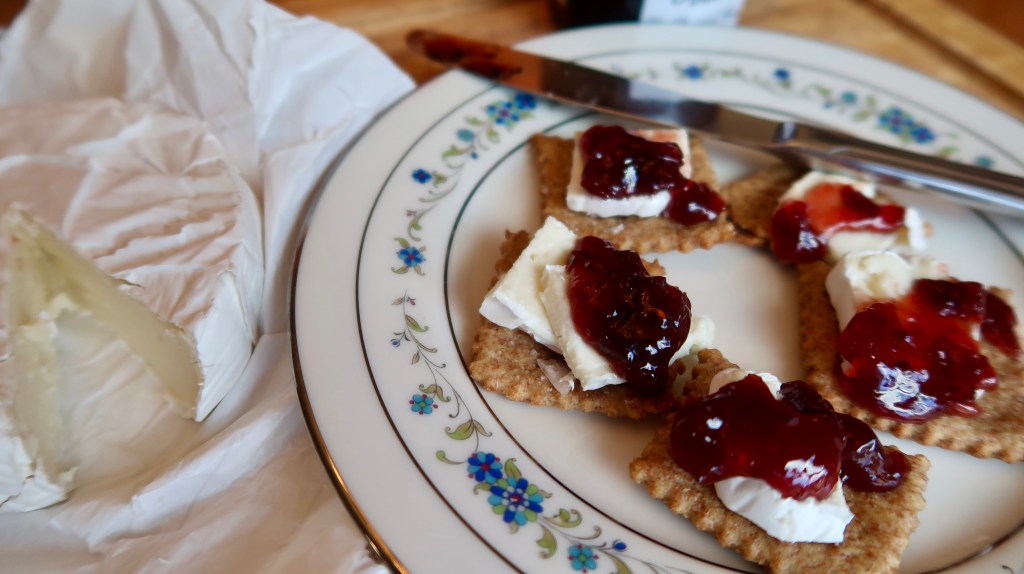
This list could be never-ending, but here are some ways that I enjoy Spelt Saltine Crackers:
- Charcuterie board (we love a “snack” dinner for busy nights or when Daddy is gone)
- Any soup with crackers
- Homemade lunch-ables!
- Brie with jam-topped crackers (this is my personal favorite)
- Perfect for on-the-go snacks: pair with a cheese stick, beef stick, and fruit!
FAQ
Can I use other flours?
Absolutely! This is the perfect recipe to try any grain you’ve been interested in. I recommend ancient grains here because this is a very simple recipe to incorporate them into your diet.
How long will they stay crispy?
After day three, I’ve noticed they start to lose their crispness. I recommend eating them before day four.
Can I freeze the dough or crackers?
I personally have not frozen the baked crackers, but you can absolutely freeze the dough! In fact, I recommend it. Freeze the dough in a flattened disc, then thaw before rolling it out. This way, you can quickly make crackers even on days you haven’t prepared ahead.
How long can the dough stay in the fridge?
I recommend refrigerating overnight. However, I have left the dough in the fridge for up to three days. At that point, I noticed a slightly fermented smell, so I suggest not leaving it for more than two days.
Final Thoughts
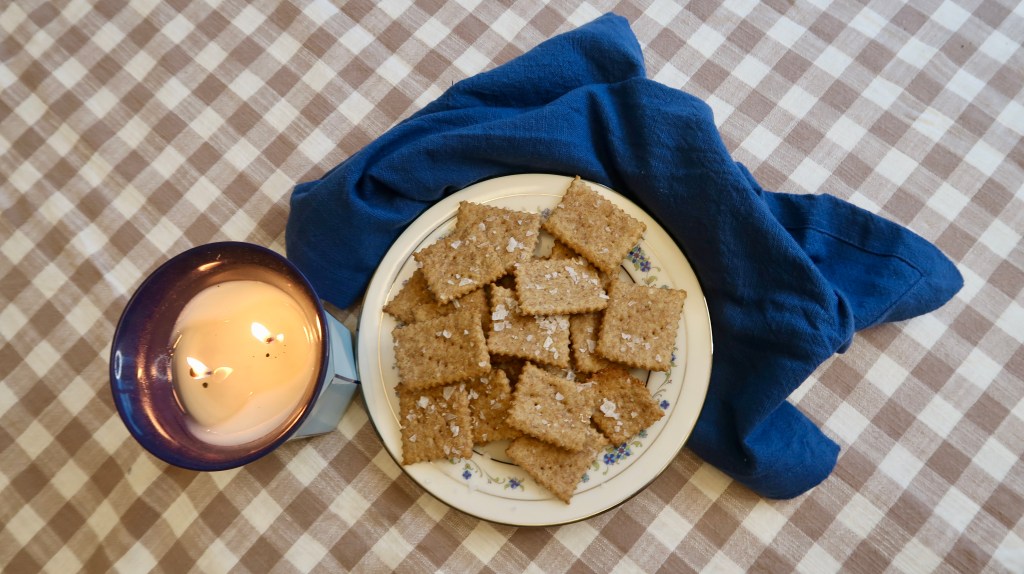
I hope that my recipe gives you the confidence you need to try your hand at making homemade crackers.
Learning a new baked good always comes with its own challenges—but you, my friend, are capable of it! Try it out and let me know in the comments your favorite way to enjoy Spelt Saltine Crackers.
Blessings,
Payton


 thecontentedhearth.com
Leave a comment