
This post may contain affiliate links. See our disclosure policy.

Pizza holds a special place in our family kitchen. No matter the day or season, I can be certain that my family would love to eat a cheesy, hot slice of pizza.
But let’s be real—take‑out pizza isn’t a healthy option—enter Homemade Spelt Overnight Pizza Dough! This pizza crust hits all the right boxes: nutritious, cheap, and delicious.
If your family loves pizza, and you love to feed everyone well, then I think I have the perfect recipe for you.
Why Choose Spelt? (Health & Nutritional Benefits)
What Is an Ancient Grain?
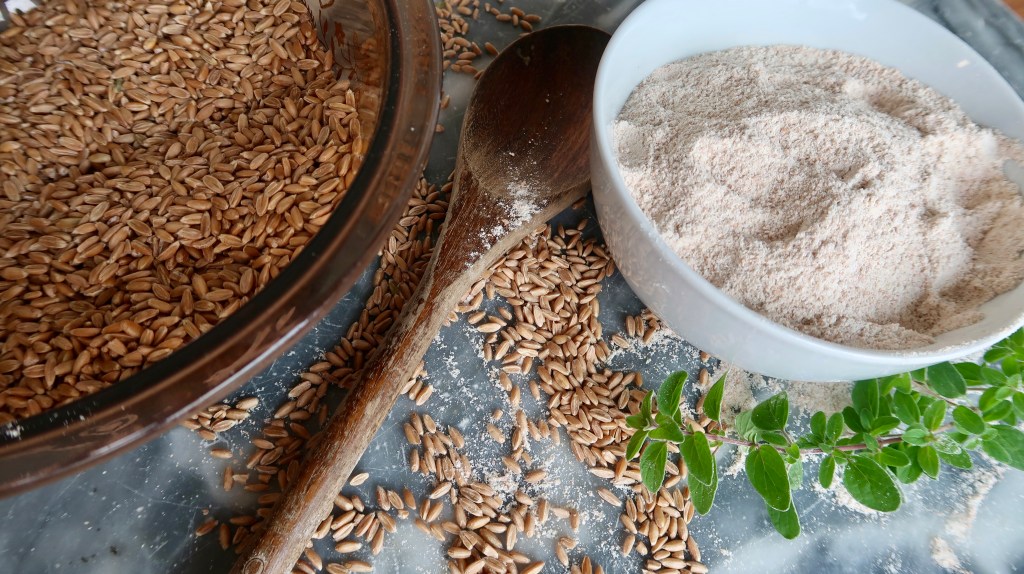
Spelt is considered an ancient grain. What exactly is that, you ask? Ancient grains are particular varieties of grains that can be dated back to the beginning of wheat cultivation. These grains include einkorn, spelt, emmer, and khorasan.
Spelt has not undergone extensive hybridization like modern wheat (i.e., modification to improve yield and disease resistance). Spelt was modified with a domesticated wheat and a wild goat grass more than 4,000 years ago, but has been essentially unchanged since then.
If you’re new to fresh-milled baking, my Wheat Berry 101 post walks through what wheat berries are and what type of wheat is best for various baking applications.
Nutritional Advantages of Spelt
So, you may ask—what’s so special about a really old wheat grain? Well, friend, because spelt has been unchanged, it contains nutrition in volumes that modern wheat can’t quite compete with.
Spelt flour is naturally rich in fiber—much higher than modern wheat—and also provides notable amounts of protein, B-vitamins, and manganese. Because of its protective hull and high water-solubility, spelt’s nutrients are easier for the body to access and stay stable for longer periods. Its vitamins and minerals are also more evenly distributed throughout the entire grain.
Check out my post on whole wheat nutrition to learn more about how whole grains support digestion, blood sugar balance, and overall nourishment.
Glycemic Index & Digestibility
The glycemic index (GI) is the way in which we measure how fast carbohydrates break down within the body and how quickly a person’s blood sugar rises. Consuming foods that are lower on the GI is generally considered a healthier option, as they do not spike insulin levels as dramatically.
Spelt has a lower GI than most whole-wheat grains because it contains a high percentage of both simple and complex carbohydrates. The makeup of these carbohydrates is particularly conducive to digestibility because of the length of their carbohydrate chains. Spelt also contains carbohydrates called mucopolysaccharides, which work to assist in blood clotting and stimulate the body’s immune system.
Gluten Content & Baking Characteristics
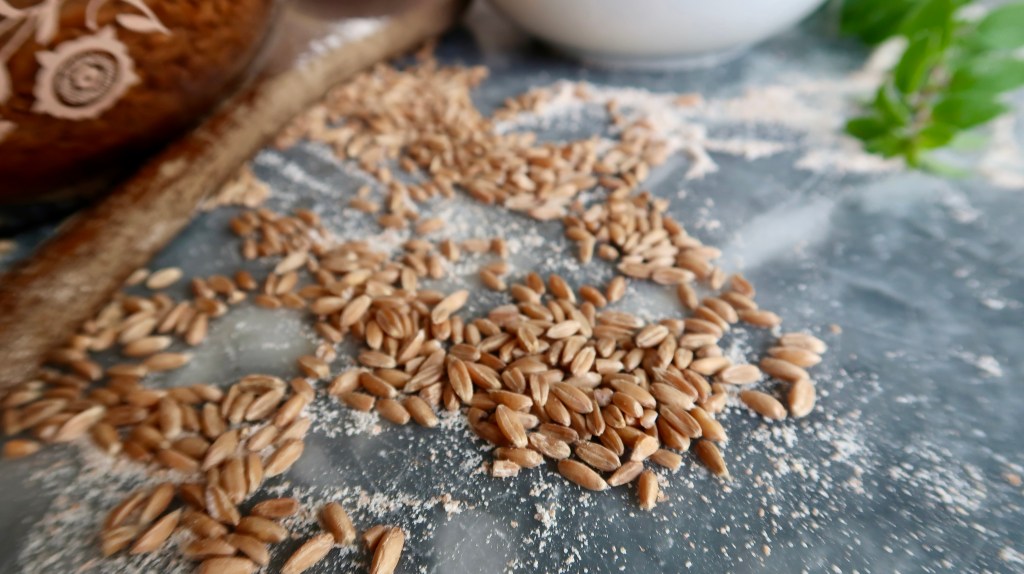
Although some hoped spelt would work for people with wheat allergies, it actually contains more protein and can form strong gluten, so it isn’t suitable for those who must avoid gluten.
Spelt has a mild, slightly sweet, nutty flavor that many bakers prefer over whole wheat. It lacks a compound found in wheat’s bran that can contribute bitterness, allowing spelt’s gentle “wheaty” flavor to come through more clearly.
Though spelt contains higher amounts of protein and can develop strong gluten networks, it is a much more delicate flour to bake with. The gluten network contained in spelt is plentiful but fragile. Spelt absorbs liquids quickly, but loses it just as easily, leading to over-fermentation if not handled carefully.
Why Spelt Benefits from an Overnight Rise
In most applications when baking with spelt, an overnight refrigerated rise is highly suggested (or an early-morning-to-all-day refrigerated rise).
That is why making your family’s pizza with a spelt crust is a sure-fire win! Letting the spelt pizza dough rise slightly on the counter, then develop gluten and flavor in a cold ferment, is the perfect application for a somewhat finicky grain. The cold dough performs wonderfully as you shape it, and the flavor is maximized with its slow rise.
Nutrition and grain background adapted and summarized from King Arthur Flour: Whole Grain Baking, First Edition (2006).
What Makes This a Great Overnight Dough
Designed for Real-Life Schedules
An excellent practice in any home cook’s arsenal is to prepare things in advance. If you have parts of meals ready to go, then come dinnertime—which always manages to be a whirlwind—life seems to be much smoother.
Minimal Effort, Maximum Flavor
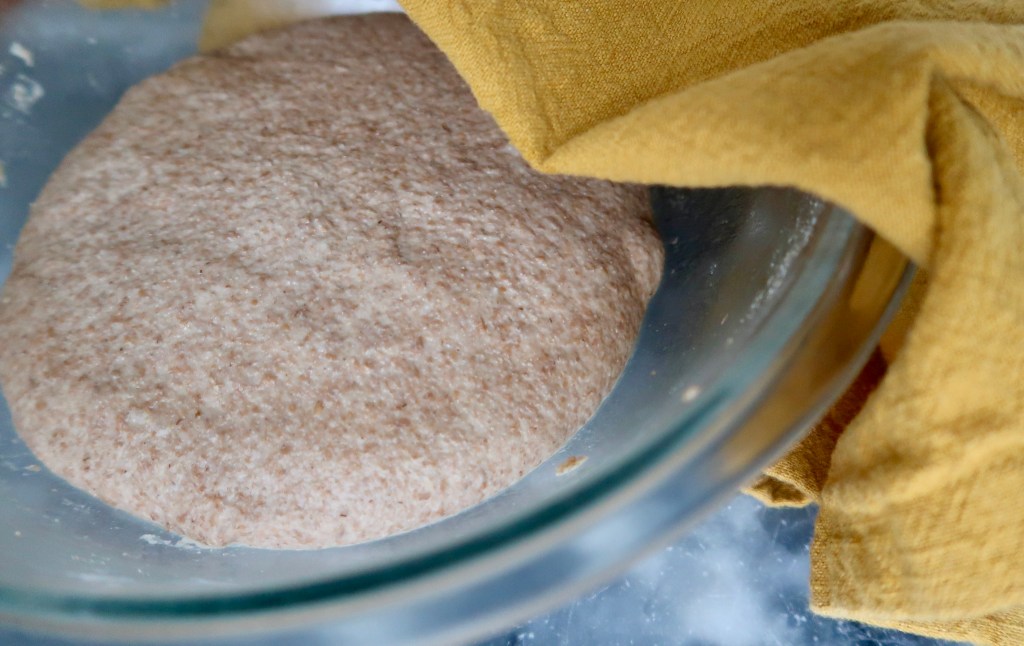
Overnight pizza dough is one of my favorite tricks for having a delicious pizza the next day with minimal fuss. This pizza dough is perfect to prepare when you are doing your after-dinner cleanup. Simply mix the ingredients, let rest, then perform three stretch and folds with about 20 minutes of rest in between.
Alternatively, you can knead the dough and let rest on the counter for 45 minutes before placing it in the fridge—the choice is fully yours.
Cold Fermentation for Better Texture
Place the dough in the fridge, covered, to cold ferment overnight. The next day, you’ll have pizza dough perfectly ready to bake anytime you’d like—breakfast, lunch, or dinner.
Ingredients You’ll Need
- 100% fresh‑milled spelt flour
- Water
- Salt
- Olive oil
- Yeast
- Sugar
- Cornmeal (for dusting)
Tools You’ll Need
If you’re just getting started with fresh-milled baking, I’ve rounded up my thoughts on grain mill shopping and everyday baking essentials in my post on top tools for fresh-milled baking.
How to Bake the Perfect Spelt Pizza Crust
Oven Temperature & Setup
A pizza stone is very important to achieving a crispy crust. I recommend heating the pizza stone as the oven preheats for at least 30 minutes. If you don’t have a stone, try flipping a baking sheet upside down and placing it in the oven to preheat. Be careful with this option—it may be more susceptible to having the pizza slide off.
I recommend stretching your pizza crust on parchment paper. Spelt is naturally sticky, and trying to shape it directly on the counter can turn into a miserable mess. Use a pizza peel to easily transfer the pizza from the counter to the oven.
Thin‑Crust vs. Pan‑Crust Options
The thickness of your pizza entirely depends on how you shape the dough. I recommend about a 12‑inch size so you don’t make a pizza larger than your stone.
- Thin crust: Evenly stretch the pizza dough as much as you can without tearing.
- Pan crust: Roll your pizza to about 10–12 inches and roll the edges inward to create that classic pizza‑slice look.
Tips for Achieving Crispness with Whole‑Grain Dough
A light cornmeal dusting before shaping the dough helps create that delicious, restaurant‑style crunch. A very, very hot oven is crucial to a crisp pizza. Make sure your oven is clean and preheated as hot as it can safely handle.
Step-by-Step: How to Make 100% Spelt Overnight Pizza Dough
Step 1: Mix Your Dough
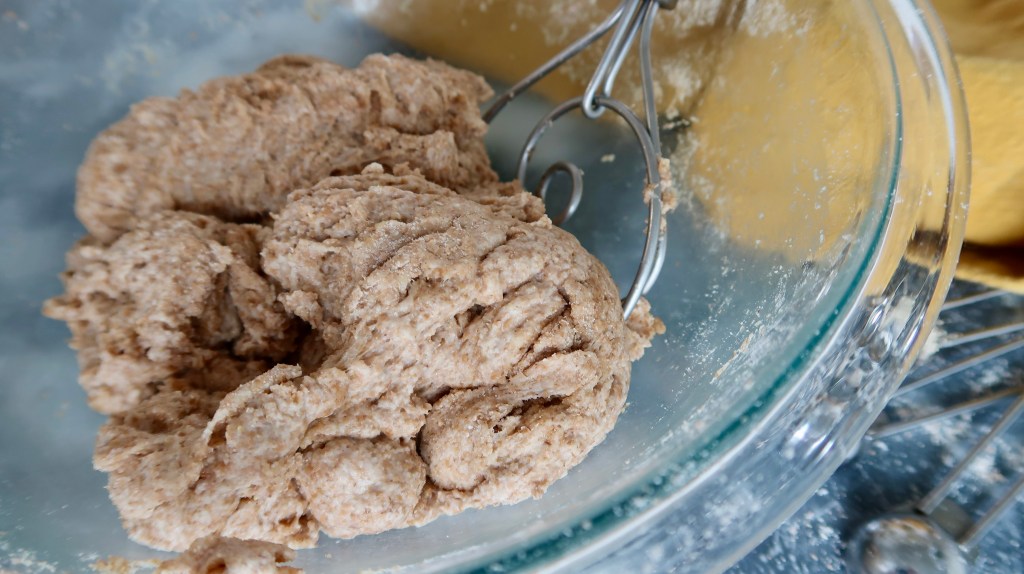
- Combine your fresh-milled spelt flour, water, olive oil, salt, sugar, and yeast in a large bowl until fully incorporated.
Step 2: Rest the Dough
- Cover and let the dough rest for about 20 minutes.
Step 3: Stretch and Fold
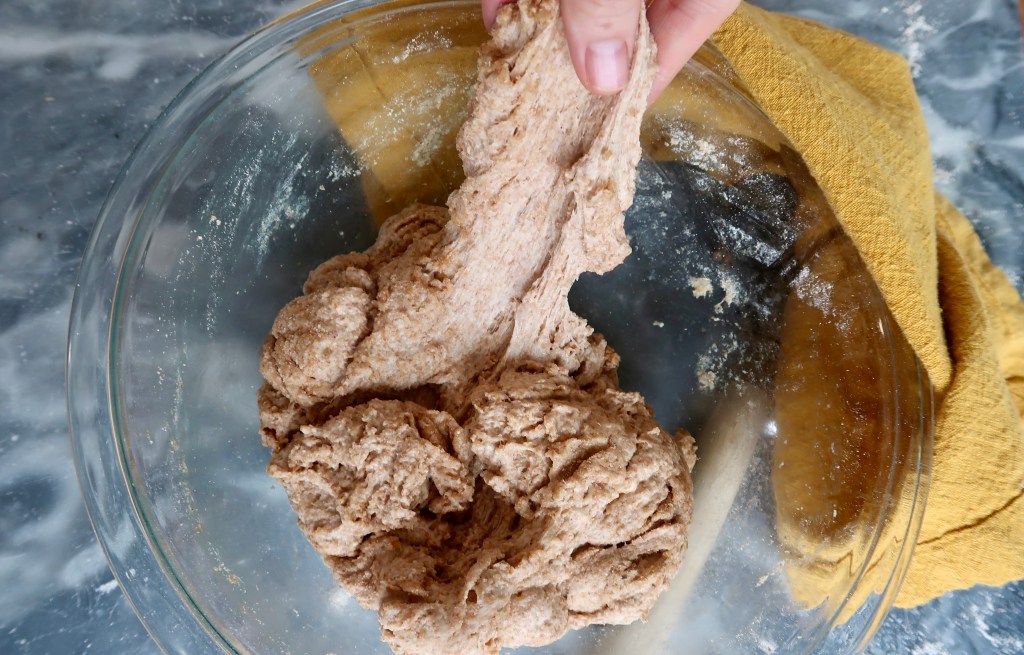
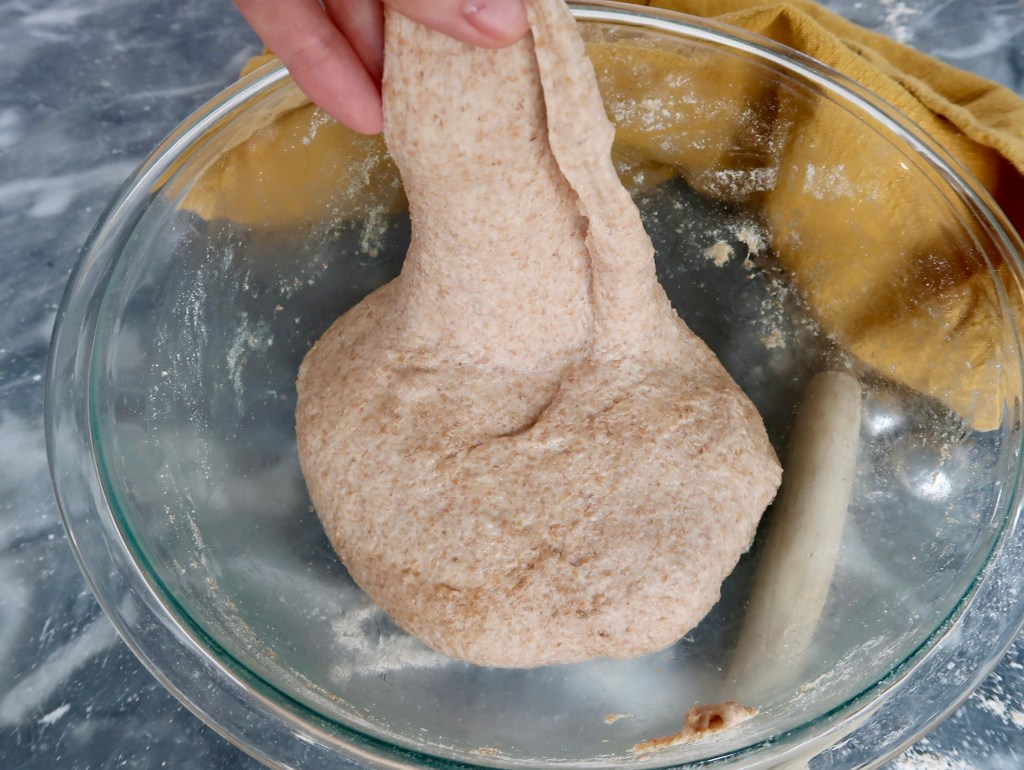
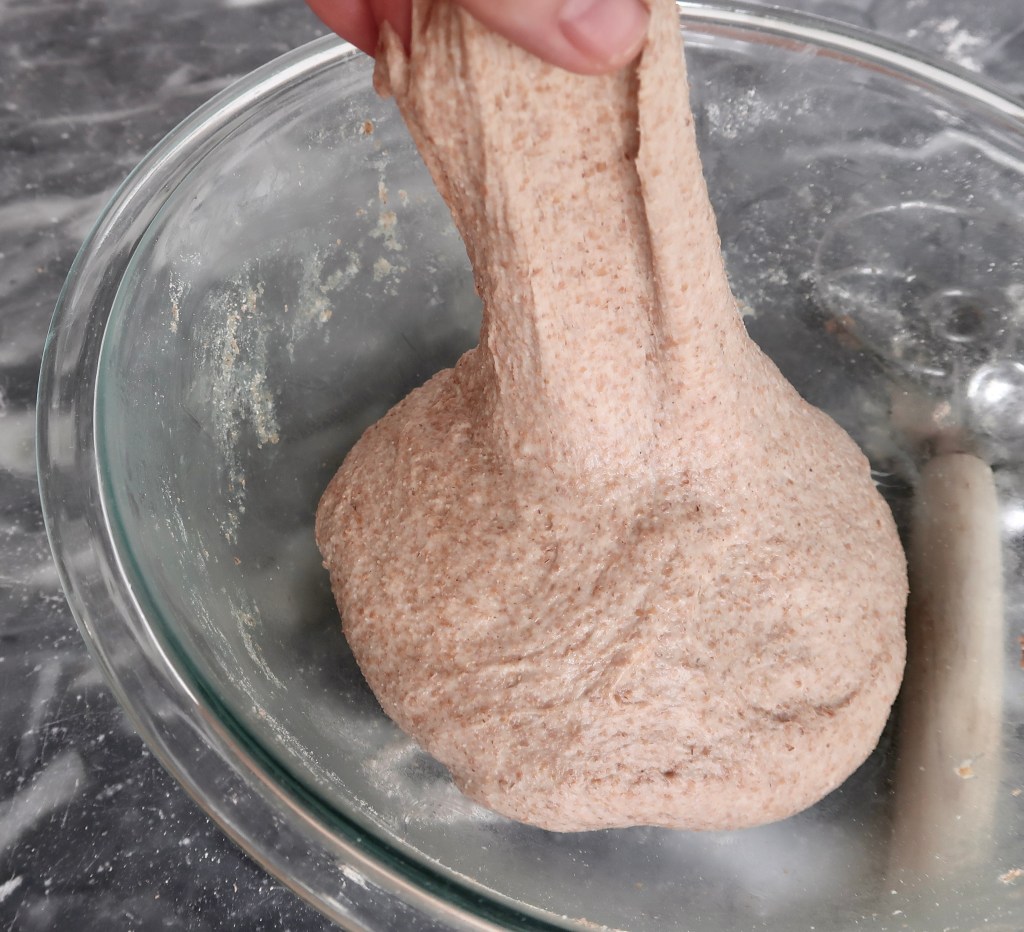
- Perform three stretch-and-folds, giving the dough about 20 minutes of rest between each.
Step 4: Refrigerate Overnight
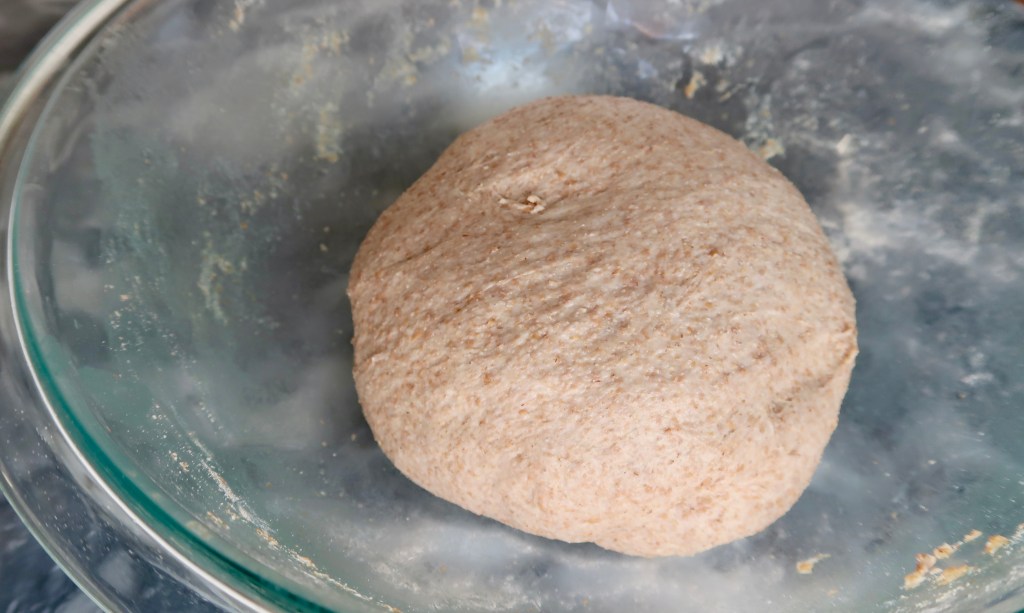
- After the final stretch-and-fold, cover the bowl and place it in the fridge to cold ferment overnight.
Step 5: Preheat the Oven
- When you’re ready to bake, preheat your oven with a pizza stone to 500°F (260°C).
Step 6: Shape Your Dough
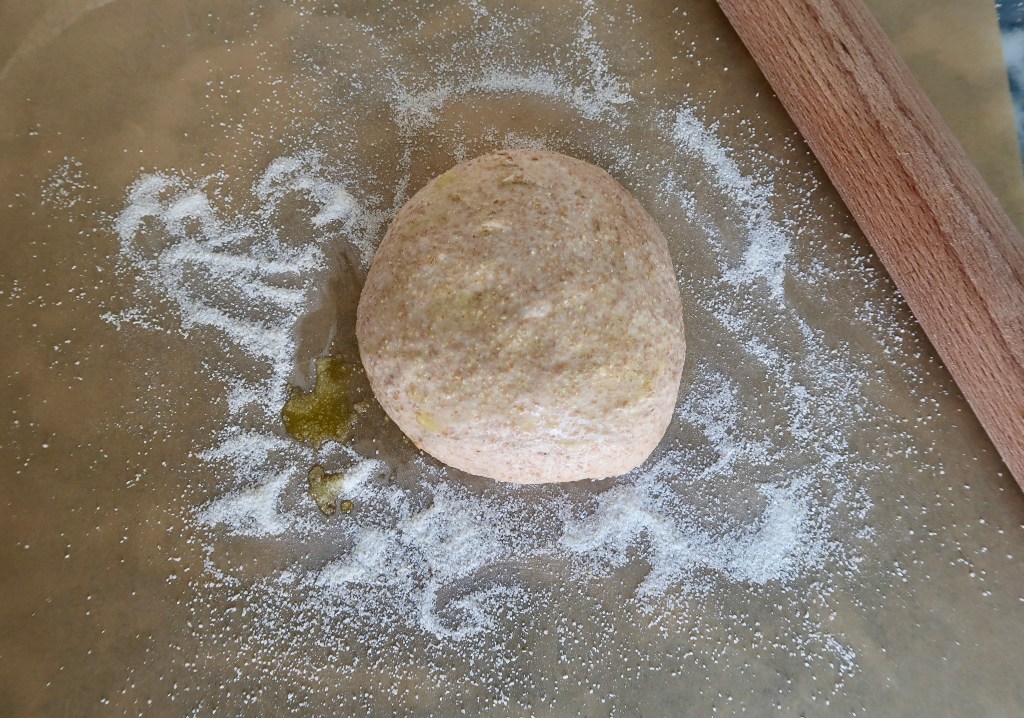
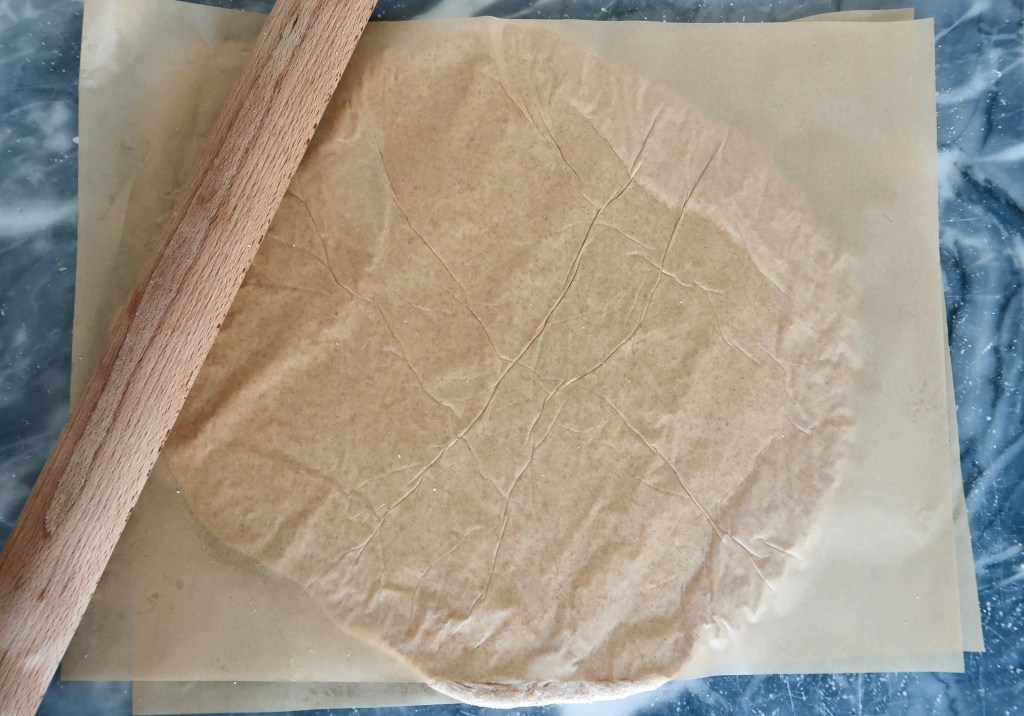
- Remove the dough from the fridge and let it rest on the counter for about 15 minutes while you prepare toppings.
- Divide in half and shape on parchment lightly dusted with cornmeal.
- It helps to oil the top of the dough before rolling it out.
Step 7: Add Toppings
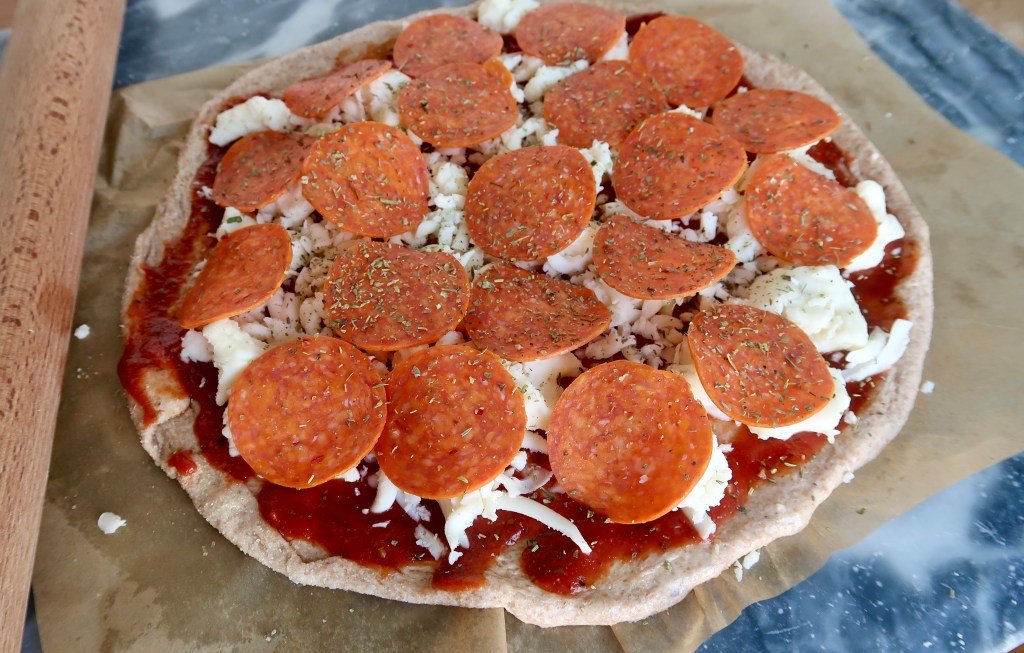
- Lightly prick the dough with a fork, then add your favorite toppings.
Step 8: Bake Until Golden
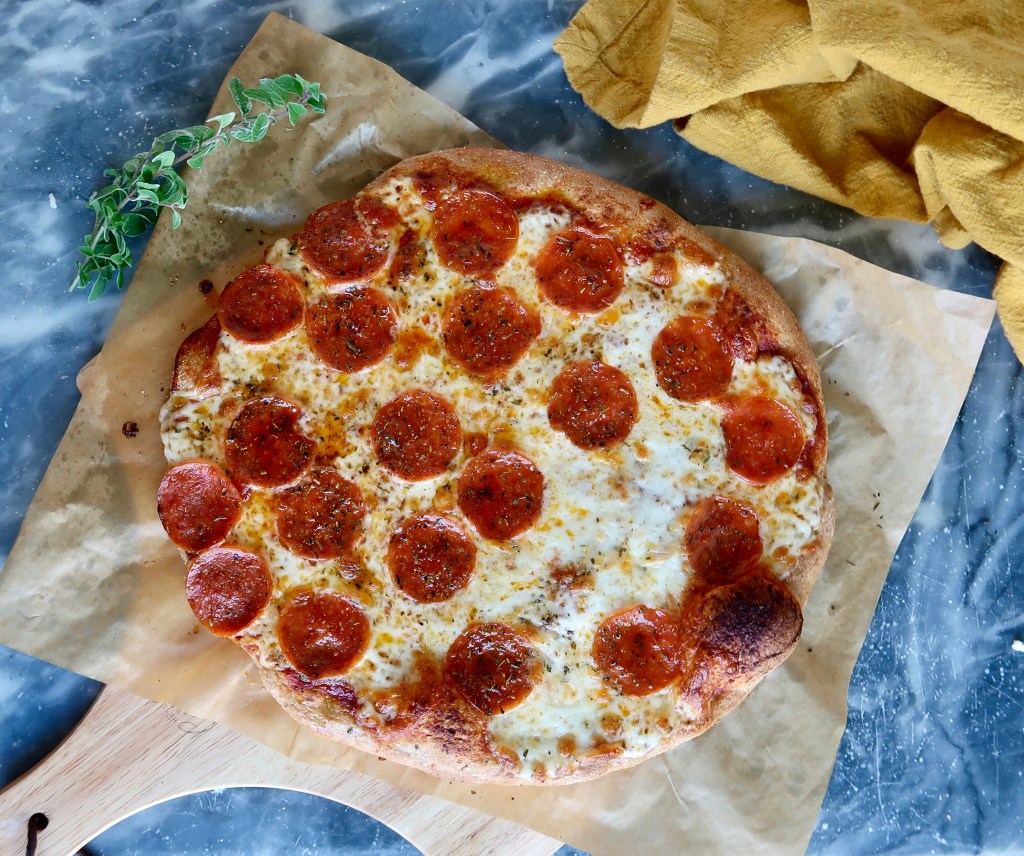
- Bake for about 12 minutes for a lightly topped pizza; more toppings may require longer.
Step 9: Slice & Enjoy
- Let your pizza cool briefly, slice, and serve!
Easy 100% Spelt Overnight Pizza Dough (Healthy, Whole-Grain Crust Recipe)
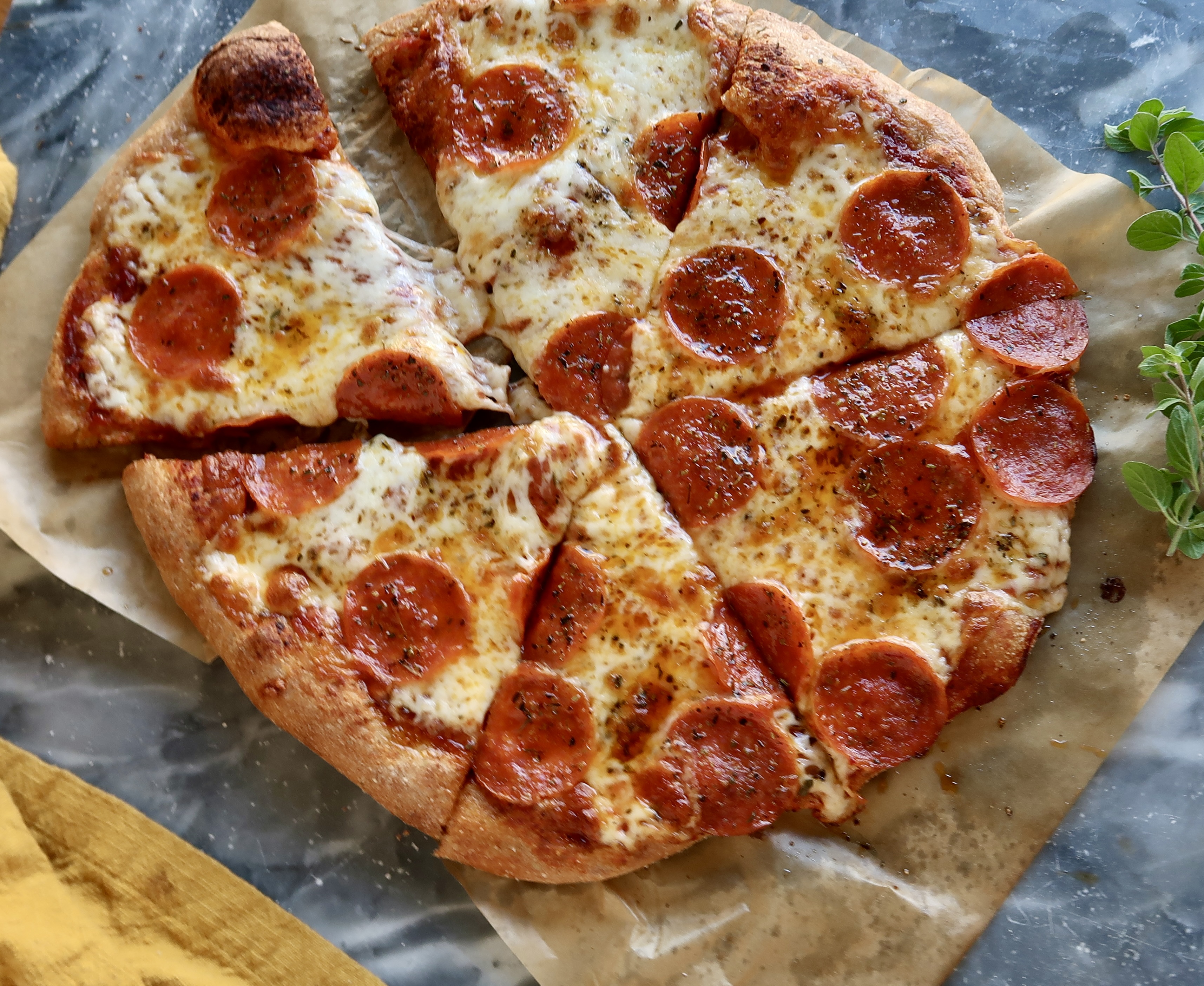
A simple overnight pizza dough made with fresh-milled spelt—nourishing, affordable, and perfect for an easy family pizza night.
Ingredients
For best results when working with spelt, gram measurements are strongly recommended. Fresh-milled flour can vary in density depending on grind and freshness, and weighing ingredients ensures consistent hydration and fermentation.
Pizza Dough
- 360 g fresh-milled spelt flour (about 3 cups, scooped and leveled)
- 280 g water (1¼ cups minus 1 tablespoon, or ~1.15 cups)
- 1 tbsp olive oil
- 1½ tsp salt
- 1 tsp sugar
- ½ tsp yeast
- Cornmeal, for dusting
Directions
- Mill your grains to yield 360 g fresh-milled spelt flour.
- In a large bowl, mix flour, water, olive oil, salt, sugar, and yeast until fully combined.
- Cover and let the dough rest for 20 minutes.
- Perform three stretch-and-folds, allowing about 20 minutes of rest between each one.
- After the final stretch-and-fold, leave the dough in the bowl, covered, and refrigerate overnight.
- When ready to bake, preheat your oven with a pizza stone inside to 500°F (260°C).
- Remove dough from the fridge and let rest on the counter for about 15 minutes while preparing toppings.
- Divide the dough in half.
- Lay parchment paper on the counter and sprinkle lightly with cornmeal.
- Lightly oil the top of the dough, place another sheet of parchment on top, and roll or gently stretch to about 12 inches.
- Lightly prick the dough with a fork, then add toppings.
- Bake for about 12 minutes for lightly topped pizzas; heavier toppings may require a longer bake.
- Remove from oven, slice, and enjoy.
Notes
- Stand mixer option: Knead dough for 10–15 minutes, then cover and let rest on the counter for 45 minutes before refrigerating overnight.
- Spelt dough is delicate—avoid over-kneading and over-proofing.
- A pizza stone or steel preheated for at least 30 minutes gives the best crisp crust.
Troubleshooting
Dough Too Sticky?
Spelt is very susceptible to becoming too sticky—the way it absorbs water is somewhat unique among whole‑grain flours. Follow gram measurements for best results.
Dough Rising Too Fast?
Be sure to let the dough rise just enough to perform about three stretch‑and‑folds on the counter or about a 45‑minute rise after kneading. Then transfer it to the fridge to bulk ferment, slow down fermentation, and develop flavor.
Crust Cracking or Tearing?
Spelt is a more delicate dough and can tear easily. I recommend a light coat of oil on the top of the dough, place parchment paper over it, and roll gently with a rolling pin. You can also gently stretch the dough with your hands.
Topping Ideas for a Healthy Whole‑Grain Pizza
- Classic Margherita
- Breakfast pizza: sunny‑side‑up eggs, sausage, cheese, and chives
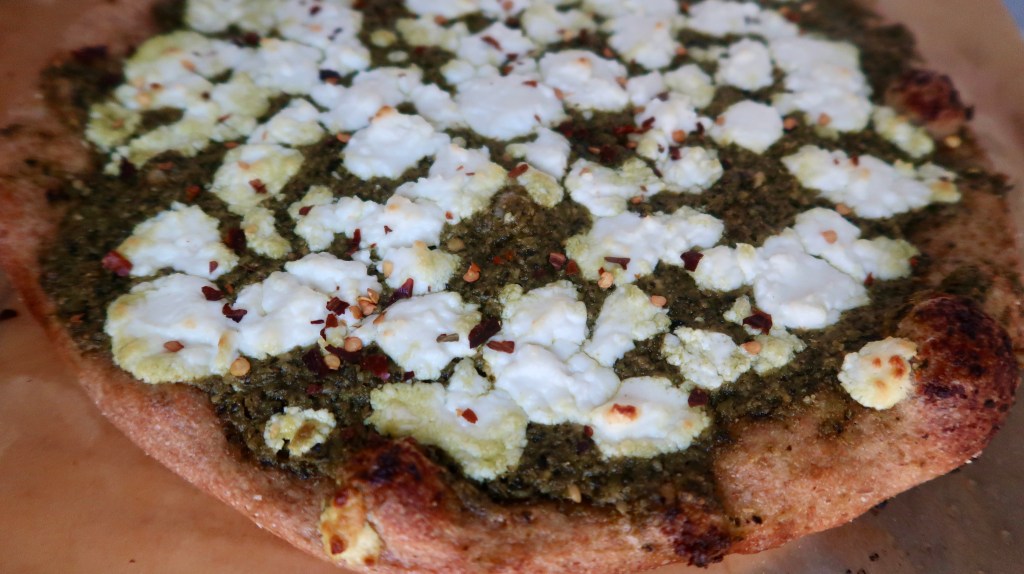
- Pesto and goat cheese
- Sun‑dried tomatoes, feta, and Kalamata olives for a Mediterranean twist
- Pepperoni and jalapeños
FAQ
Does spelt make good pizza crust?
Absolutely! Spelt pizza crust is a wonderful way to enjoy ancient grains and is perfect for beginner fresh‑milled bakers.
Is spelt easier to digest?
Some suggest this is the case due to its high fiber content and delicate (though prevalent) gluten network. I recommend trying small amounts at first, especially if you don’t eat bread products often.
Can I freeze spelt pizza dough?
Yes! I highly recommend it. Prepare the dough by mixing and kneading, then shape it into a disc and cover tightly with plastic wrap. Thaw and let it rise overnight in the fridge before baking the next day.
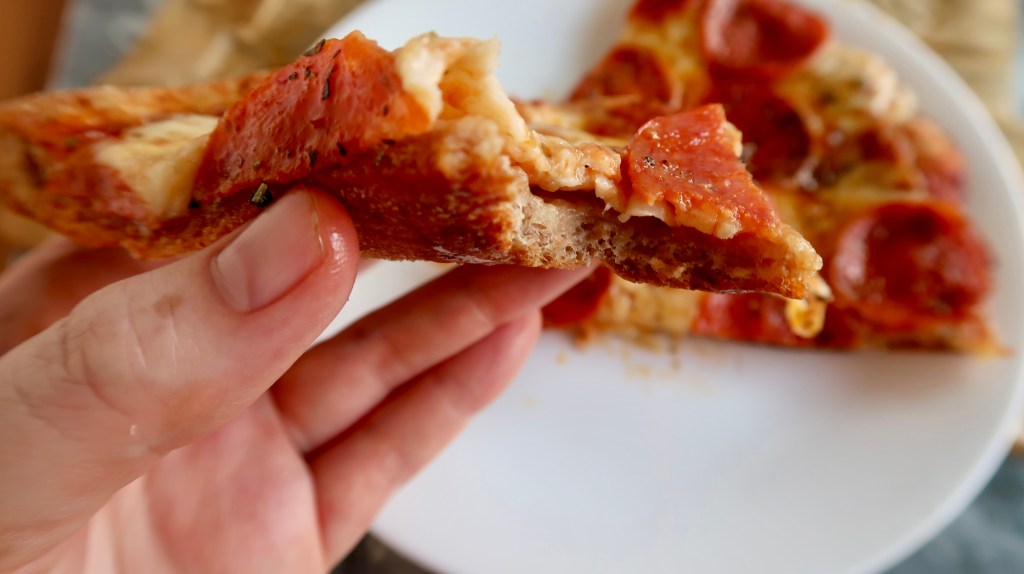
Our family has come to truly love this pizza crust recipe. Not only is my Spelt Overnight Pizza Dough extremely easy, it’s also deeply nourishing. I hope your family makes this a part of your pizza‑night tradition.
What’s your favorite way to top pizza?
Blessings,
Payton


 thecontentedhearth.com
Leave a comment