

This post may contain affiliate links. See our disclosure policy.
Do you finally have a grain mill and find yourself overwhelmed with the different types of wheat?
I’ve been there, friend. But trust me—it’s not as complicated as it seems!
In this post, you’ll learn:
- Exactly what a wheat berry is
- The difference between types of wheat berries
- My tried-and-true favorites
- Where to purchase
- Simple budgeting tips for buying in bulk
What Are Wheat Berries?
A wheat berry is the whole, unprocessed grain of wheat.
Basic Anatomy
- Bran – the fiber-rich seed coat
- Germ – the nutrient-dense embryo
- Endosperm – the starchy portion, rich in protein
When a wheat berry is milled, the germ is cracked open, and the oil it contains is released. Once exposed to air, this oil quickly oxidizes—turning rancid, tasting bitter, and losing vital nutritional properties.

👉 Check out my blog post on all the nutritional benefits of fresh-milled flour.
Freshly milled wheat is the ideal way to consume whole wheat. When milled and baked right away, you preserve all the nutritional value and delicious flavor.
Three Main Classifications
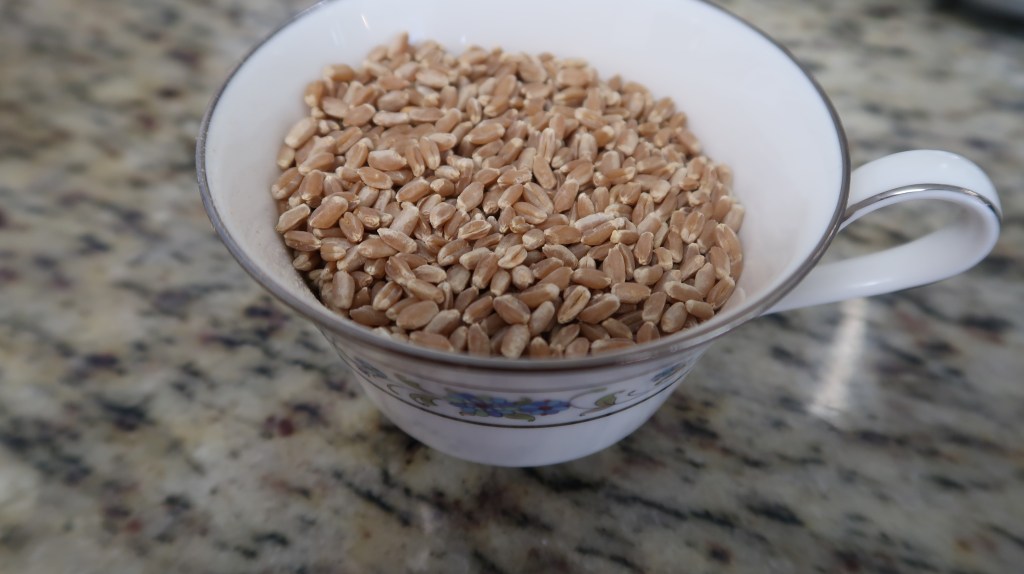
There are three main ways to classify wheat: hard vs. soft, spring vs. winter, and red vs. white.
A. Hard vs. Soft Wheat
Hard Wheat
- Higher protein → produces a stronger gluten network
- Shape: longer and thinner
- Best for yeast-leavened baked goods (but can work for quick breads too)
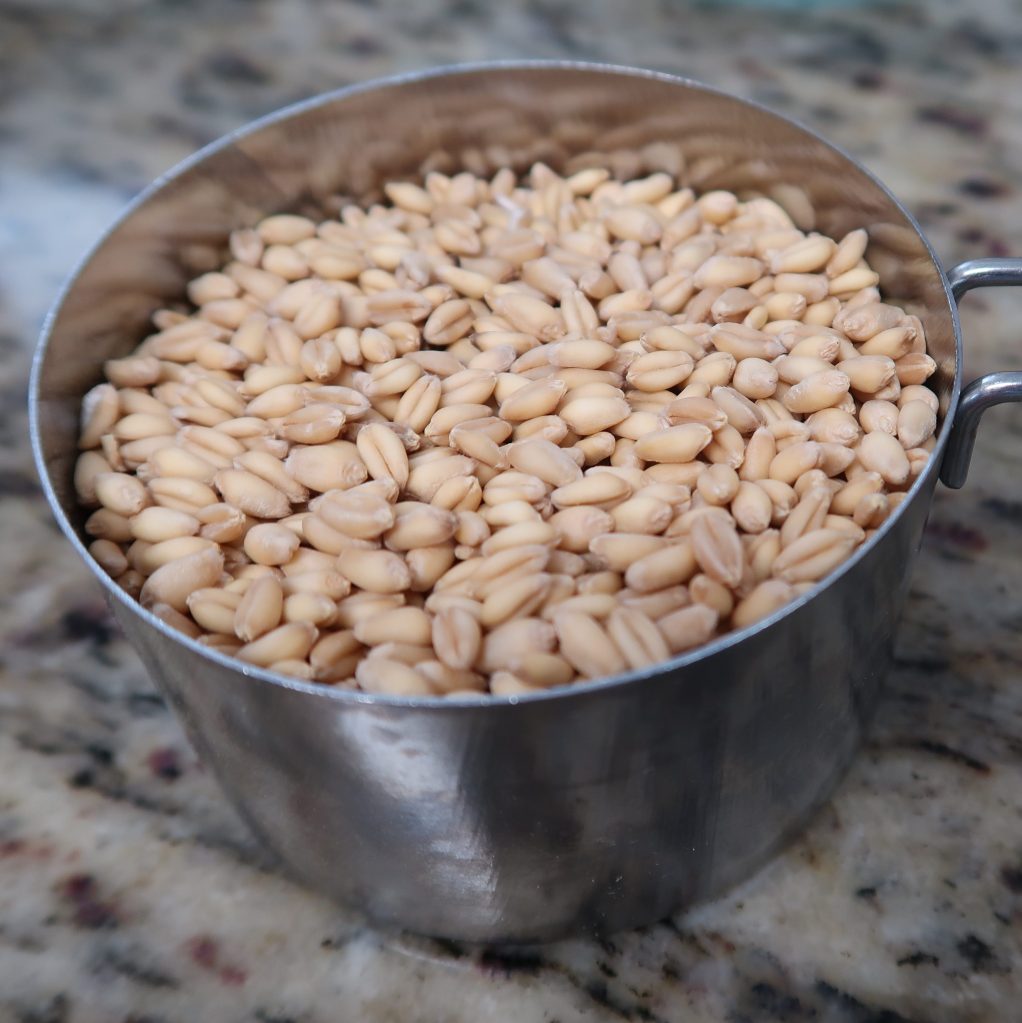
Soft Wheat
- Lower protein, higher carbohydrate content
- Shape: plumper and shorter
- Best for cookies, cakes, pastries, and quick breads
Key takeaway:
High-protein wheat = stronger gluten network = higher bread rise.
Hard wheat is the best “universal” choice for baking.
Soft wheat is not a universal flour—avoid for yeasted breads.
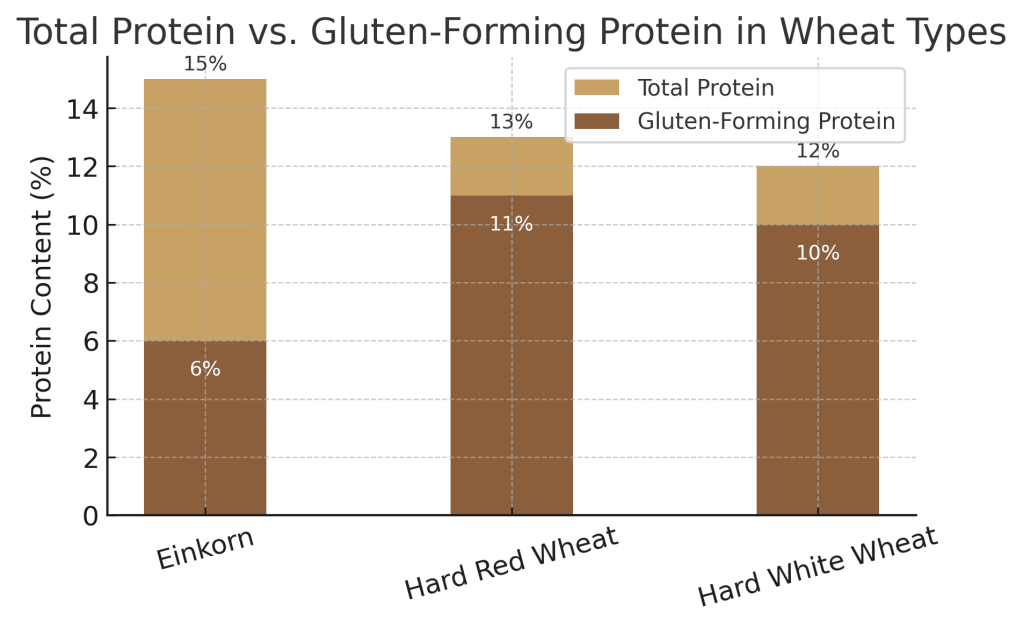
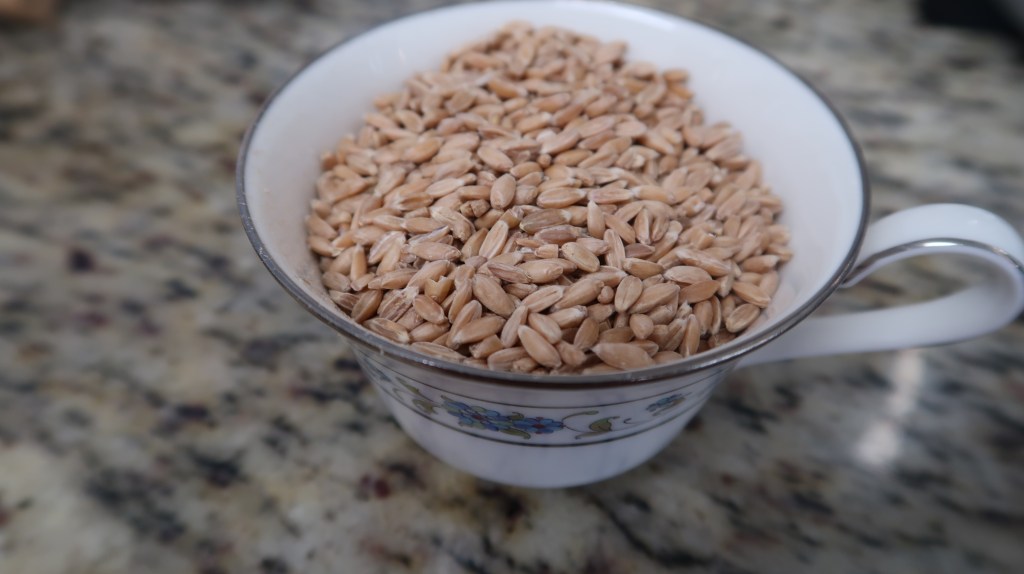
Note on Einkorn:
Einkorn bends the rule of “high protein = strong gluten.” It has high protein, but not the right ratio for strong gluten structure, so it behaves differently in bread baking.
B. Spring vs. Winter Wheat
- Spring Wheat – planted in spring, harvested late summer/early fall; grown in northern plains & Canada
- Winter Wheat – planted in fall, goes dormant over winter, harvested late spring/early summer; grown in Texas, Nebraska, Kansas, and other prairie states
C. Red vs. White Wheat
- Red Wheat – stronger, grassy flavor; slightly tannic due to higher phenolic acids in the bran
- White Wheat – milder, sweeter flavor; phenolic acids bred out; flavor closer to white flour
Both red and white wheats can be hard or soft.
Common Wheat Varieties & Uses
- Hard Red Spring – hearty, robust flavor; artisan breads
- Hard Red Winter – balanced flavor; sandwich bread, rolls
- Hard White – mild flavor, lighter color; versatile, easiest intro to whole wheat
- Soft White – soft crumb; pastries, cookies, muffins, quick breads
- Durum – golden, high-gluten; pasta
- Einkorn – sweet, nutty, golden; delicate gluten structure
- Spelt – light, nutty flavor; delicate gluten structure
- Khorasan (Kamut) – sweeter, high protein; sometimes better tolerated by those with gluten sensitivities
- Rye – sweet, grassy flavor; low gluten; great for rustic breads (when mixed with strong-gluten wheat) & crackers
My Tried-and-True Favorites
Our family has never had an abundant budget, so I’ve kept grain storage simple—and I think this is a great approach for anyone.
Start with 1–2 types of wheat, then branch out as you gain confidence.
- Hard White Wheat – easiest for beginners, mild flavor, versatile
- Hard Red Wheat – strong wheat flavor, great mixed with white wheat
- Soft White Wheat – perfect for pastries, muffins, cookies
- Spelt – sweet, nutty ancient grain; slightly lower bread rise
- Einkorn – sweet, nutty, golden; requires specific recipes
Where to Buy Wheat Berries
I’ve personally purchased from:
- Azure Standard – affordable, high-quality
- Ancient Grains – excellent products
My sisters recommend:
- Bread Beckers – positive experiences
Other popular option:
- Pleasant Hill Grains – highly regarded, though I haven’t purchased there
Storage Tips
- Use food-grade buckets (Gamma Seal® lids are great)
- Store in a dark, cool location
- Use oxygen absorbers for storage longer than 1 year
We store grains in our master bedroom closet. A basement would be ideal—but you work with what you have!
Budgeting Tips for Buying in Bulk
Method 1 – Monthly Cost Breakdown
- Decide how long you want your grains to last.
- Add the total cost, divide by the number of months, and deduct from your monthly grocery budget.
Example:
- 50 lbs Hard White Wheat – $64.22
- 50 lbs Soft White Wheat – $41.52
- Total: $105.74
If this lasts 6 months:
$105.74 ÷ 6 = $17.62/month
Method 2 – Cheap Meal Month
- Stock up on discounted meat and dairy the month before (freeze it)
- Have soups and casseroles ready in the freezer
- Plan 1–2 no-meat, high-protein meals per week (think legumes, dairy, whole wheat, rice)
- Deduct grain cost from that month’s grocery budget and focus on frugal meals
Final Tips for Milling & Baking Success
- Start with Hard White Wheat + Soft White Wheat
- Mix in ancient grains for flavor variety
- Mill as fine as possible for the best bread rise
- To reduce bitterness, swap ¼ cup of liquid for fresh orange juice in recipes
Conclusion
Choosing the right wheat berry for milling can feel confusing at first, but once you understand the basics, it’s empowering and fun.
The varieties above are versatile, flavorful, and perfect for beginners.
What’s your favorite wheat berry?
Share in the comments — I’d love to hear from you.
Blessings,
Payton
Resources
- Image “Grain Anatomy (Generic)” (CC BY-SA 3.0) via Wikimedia Commons
↩︎




 thecontentedhearth.com
Leave a reply to How to Make Everything Bagel Sandwich Bread with Fresh-Milled Flour (Soft & Flavorful) Cancel reply