
This post may contain affiliate links. See our disclosure policy.
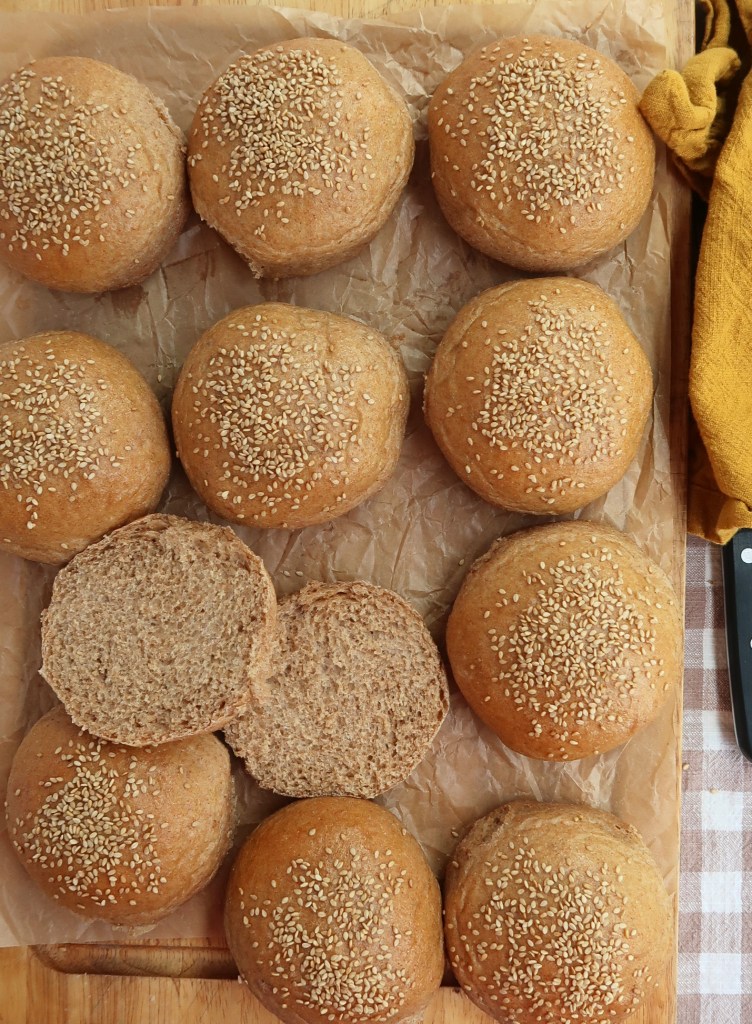
Nothing says grilling season more than homemade hamburger buns! When you combine the flavor and nutrition of freshly milled flour with dried potato flakes, you create a perfectly soft, enriched hamburger bun.
Fresh-Milled Potato Hamburger Buns are so soft and flavorful, they’ll make you rethink what a hamburger bun can be. Instead of just holding the patty, these buns become something you’ll truly look forward to.
Why Bake with Freshly Milled Flour?
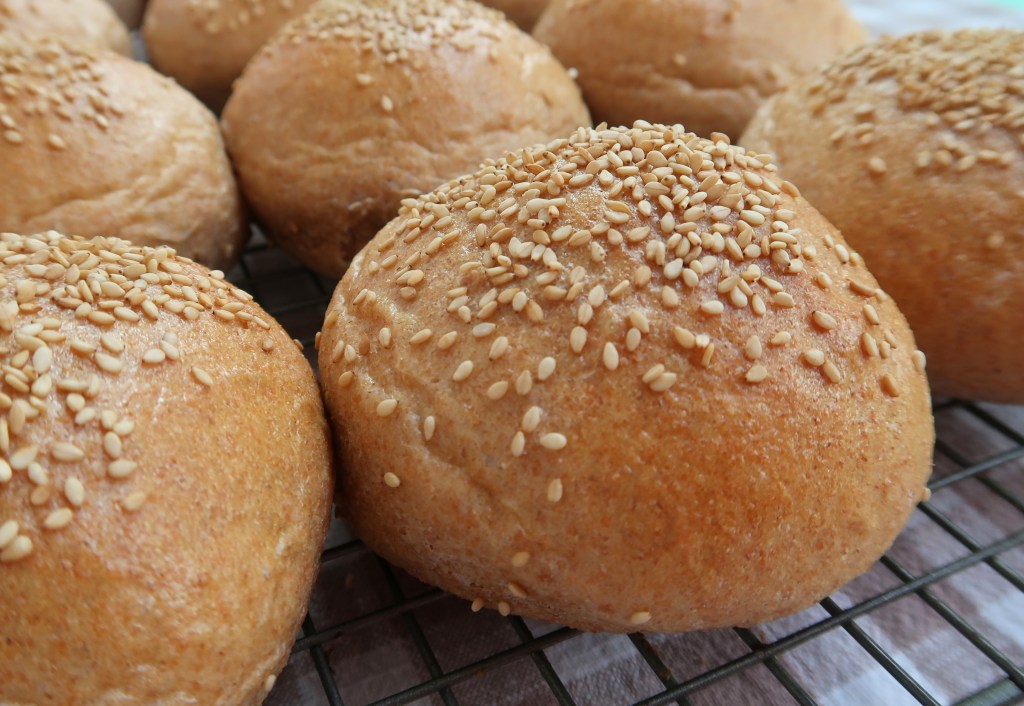
Simply put, it is much more nutrient-rich.
When wheat is milled, and the bran and germ are removed to create all-purpose flour, most of the fiber, vitamins, minerals, and healthy fats are lost. What remains is mostly starch and some protein. Because starch is rapidly broken down into glucose, baked goods made with white flour can cause a much sharper rise in blood sugar compared to whole-grain versions.
Below is a list of the nutrients in the humble wheat berry. It’s amazing!
✨ Nutrients in Fresh-Milled Whole Wheat Flour
Fresh-milled flour is rich in naturally occurring nutrients that are often lost in store-bought white flour. By milling your own grains at home, you retain the full spectrum of vitamins, minerals, and fiber—exactly as God designed it.
Macronutrients
- Protein
- Healthy Carbohydrates
- Dietary Fiber
- Natural Fats (small amounts)
Key Vitamins
- Thiamine (B1)
- Riboflavin (B2)
- Niacin (B3)
- Pantothenic Acid (B5)
- Pyridoxine (B6)
- Folate (B9)
- Vitamin E
Essential Minerals
- Iron
- Magnesium
- Phosphorus
- Potassium
- Calcium
- Zinc
- Selenium
- Copper
- Manganese
- Natural Sodium (very low)
Note: Nutrient content can vary depending on the wheat variety and freshness, but fresh-milled flour is always more nourishing than refined alternatives.
✨Check out my blog post here for a more thorough breakdown of the benefits of fresh-milled flours.
Now that we understand the benefits of freshly milled flour, let’s take a look at which wheat berries work best for baking a soft, potato hamburger bun.
What Type of Wheat Berries Should I Use?
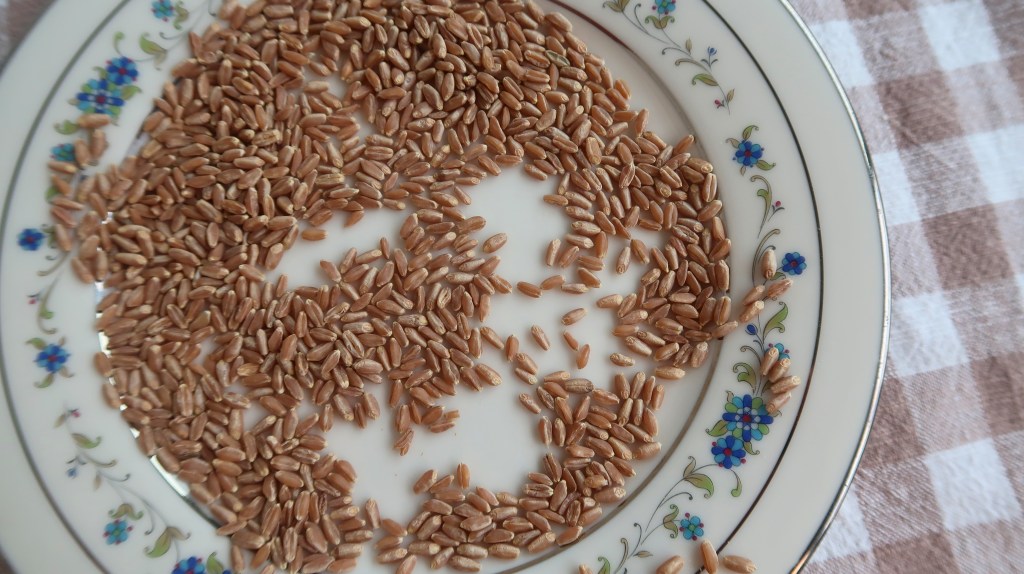
Different wheat berries contain varying amounts of protein, and two key proteins are essential for creating a strong gluten network: glutenin and gliadin.
- Glutenin – Gives dough strength and elasticity, helping bread hold its shape and rise.
- Gliadin – Makes dough stretchy and extensible, allowing it to expand during fermentation and baking.
When these two proteins work together, you get a strong, resilient gluten network that produces a perfect rise.
For yeasted breads, choose hard red or hard white wheat, which have enough protein to create soft, fluffy buns.
I especially love using Yecora Rojo wheat berries in this recipe. They produce an incredibly soft crumb, rich flavor, and beautiful rise while keeping the potato hamburger buns tender.
If using a lower-protein wheat variety, you may need slightly less liquid since weaker wheats absorb water differently and can struggle to hold the same structure in a hamburger bun.
If you enjoy experimenting with ancient grains, feel free to mix them with your hard wheat. I would avoid using only ancient grains for this recipe. They need very particular handling.
✨Check out my blog post that gives more information on wheat berries and their uses.
Now that you’ve selected your wheat, let’s prepare the simple tools needed for success.
Tools You’ll Need
- Grain mill
- Stand mixer (optional, but helpful)
- Kitchen scale (preferred) or measuring cups and spoons
- Baking sheet
- Parchment paper
Ingredients You’ll Need
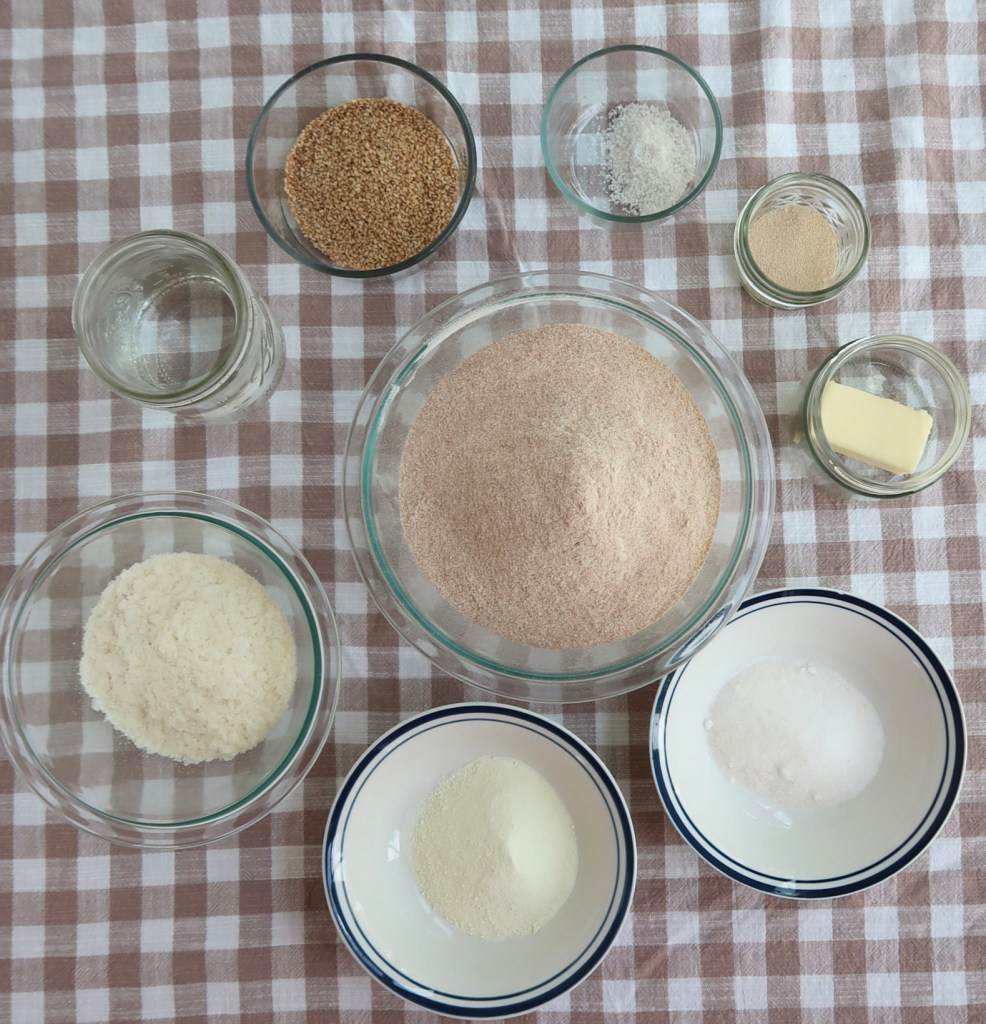
- Fresh-milled flour (I love a hard red called Yecora Rojo from Grand Teton)
- Water
- Dried potato flakes
- Softened, unsalted butter
- Sugar
- Instant powdered milk
- Salt
- Yeast
- Sesame seeds (optional)
- Egg wash (1 egg whisk with a splash of water, optional as well)
Powdered Milk Note: I use powdered milk in many of my bread recipes because it is economical, shelf-stable, and easy to keep stocked in the pantry. If you prefer to use regular milk, you can generally replace the water with an equal amount of whole milk and omit the powdered milk. I develop and test my recipes using powdered milk, so the recipe below reflects that version.
Step-by-Step: How to Make Fresh-Milled Potato Hamburger Buns
Step 1: Mill Your Grains and Autolyse
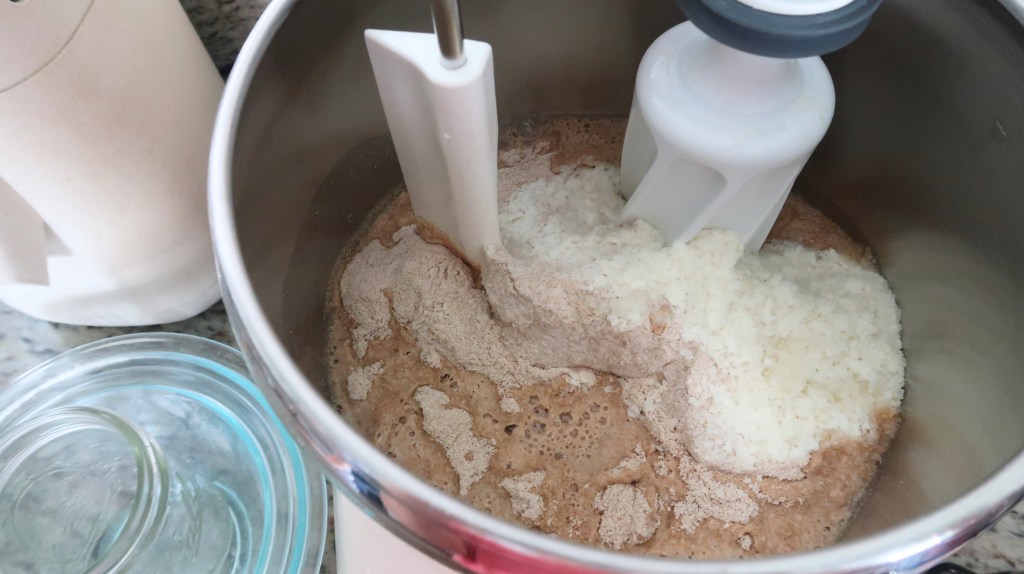
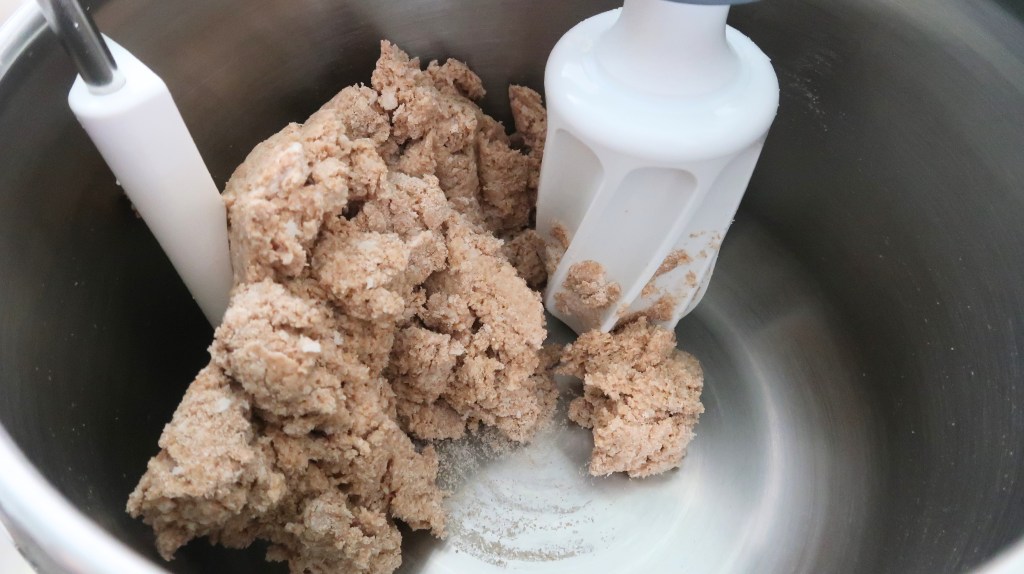
Mill your hard wheat berries on a fine setting. I recommend Yecora Rojo, a hard red wheat from Grand Teton, for this recipe.
Set out your butter to soften.
Combine the flour, dried potato flakes, and water, cover, and let rest (autolyse) for 1 hour.
Step 2: Mix and Knead
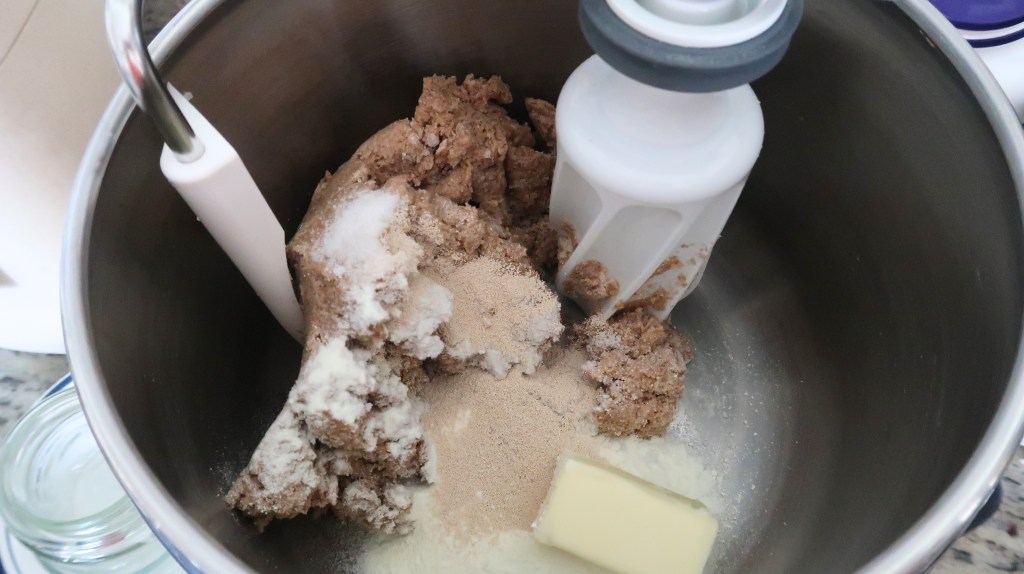
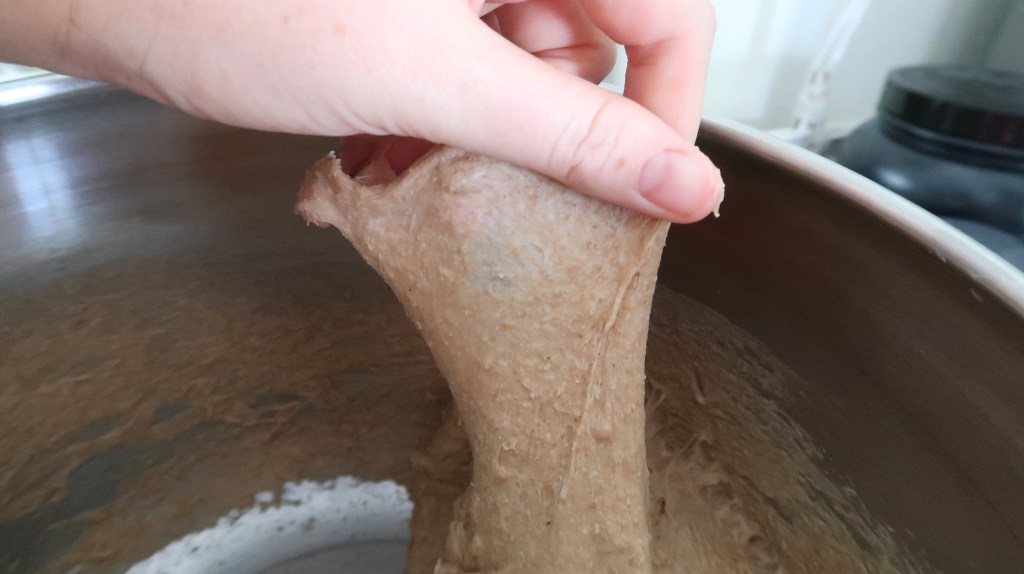
Add sugar, powdered milk, salt, yeast, and butter. Knead until the dough reaches windowpane consistency, or can stretch without tearing.
Step 3: Bulk Rise
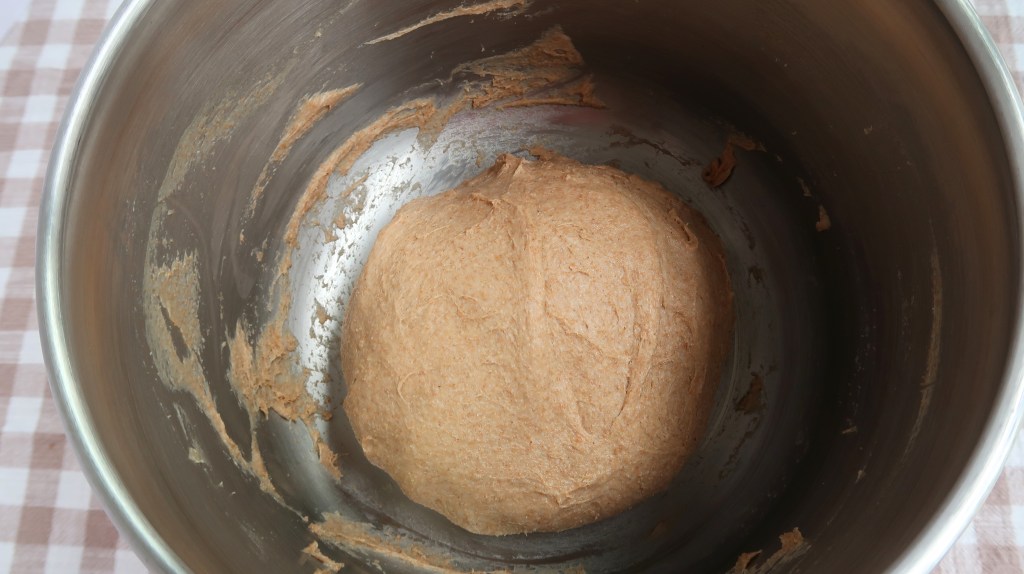
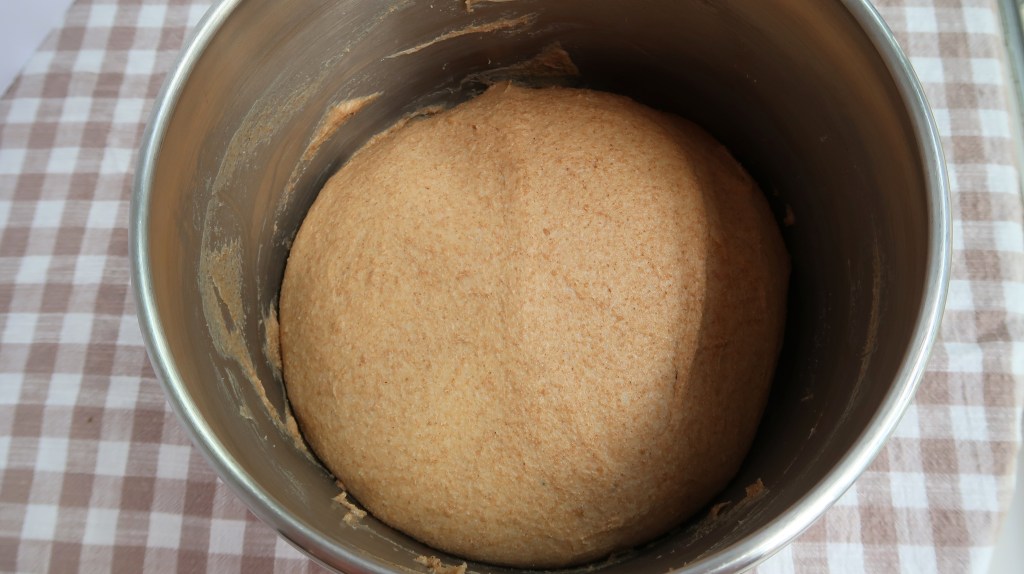
Shape the dough into a ball and let it rise until doubled in size. This usually takes about 1 hour and 15 minutes at 72–74°F.
To easily track the rise, use a clear bowl and mark the dough’s height on the outside with a dry-erase marker. This is especially helpful for new bakers.
Step 4: Shape and Rise
Line a baking sheet with parchment paper.
Lightly grease your work surface with oil. Divide the dough into 12 equal pieces. Flatten gently, pinch edges toward the center, then flip seam-side down and roll under your palm to create surface tension. It helps to move the dough you are creating surface tension with onto a part of your counter that has little or no oil.
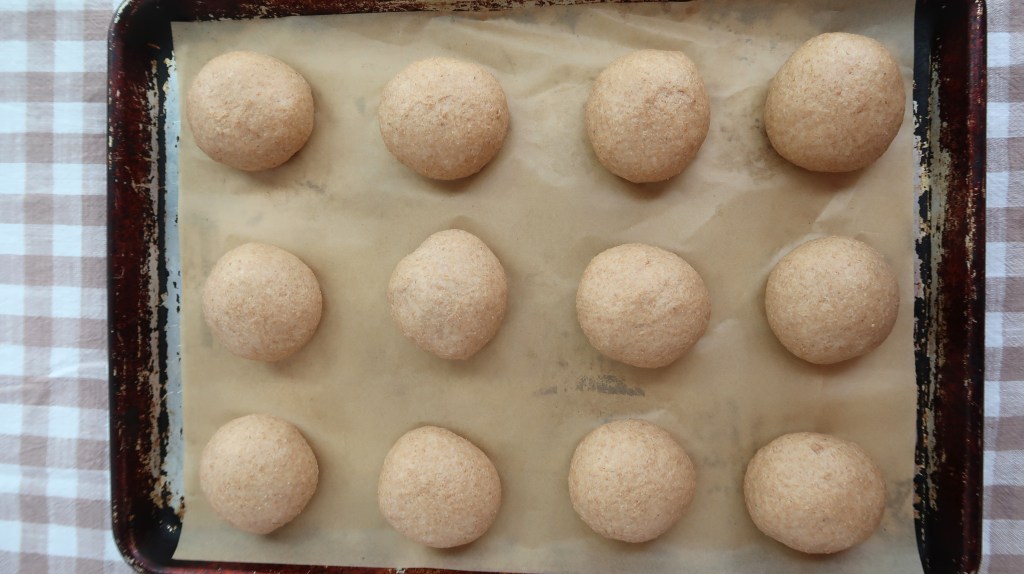
Place on your parchment-lined baking sheet.
Check out the video above for more help with shaping.
Cover with greased plastic wrap.
Set your oven to preheat to 350℉.
Step 5: Bake
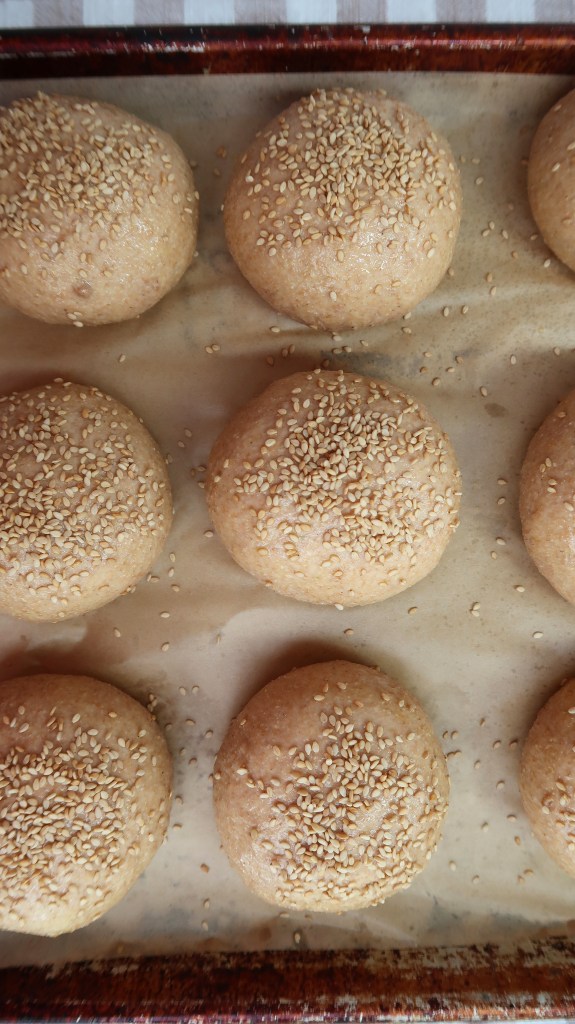
Let your shaped buns rise for 25-30 minutes, or until they are visibly puffy and have increased in size.
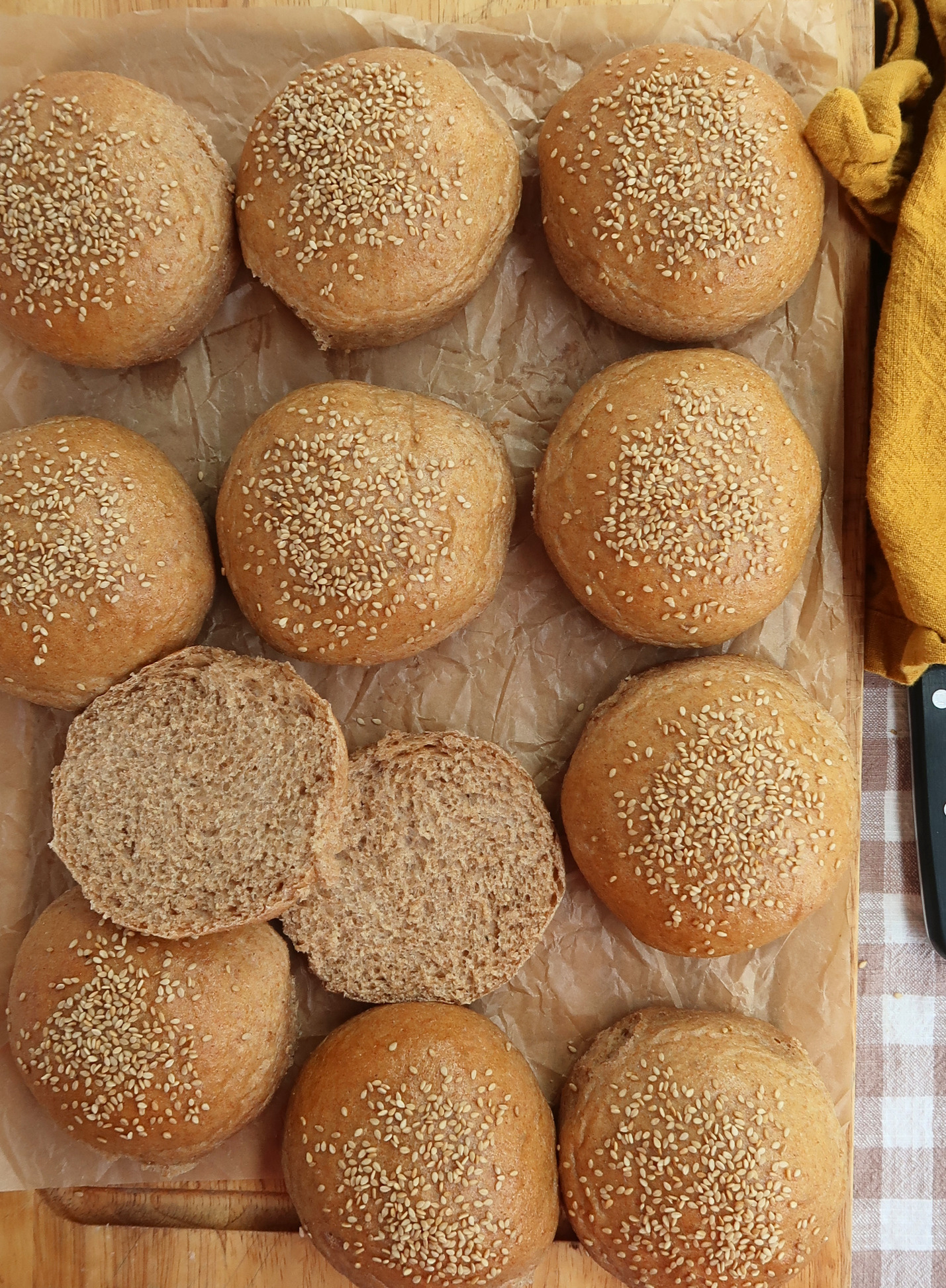
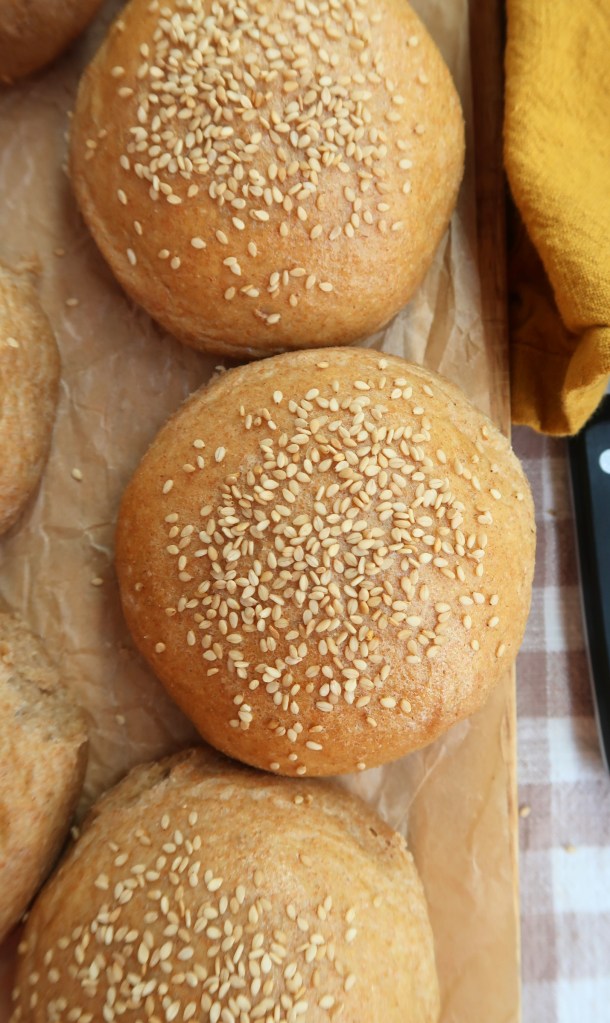
If desired, brush the tops with an egg wash (1 egg beaten with a splash of water) and sprinkle with sesame seeds. Bake for 20 minutes, or until golden. Transfer the buns to a cooling rack and brush with butter for extra softness.
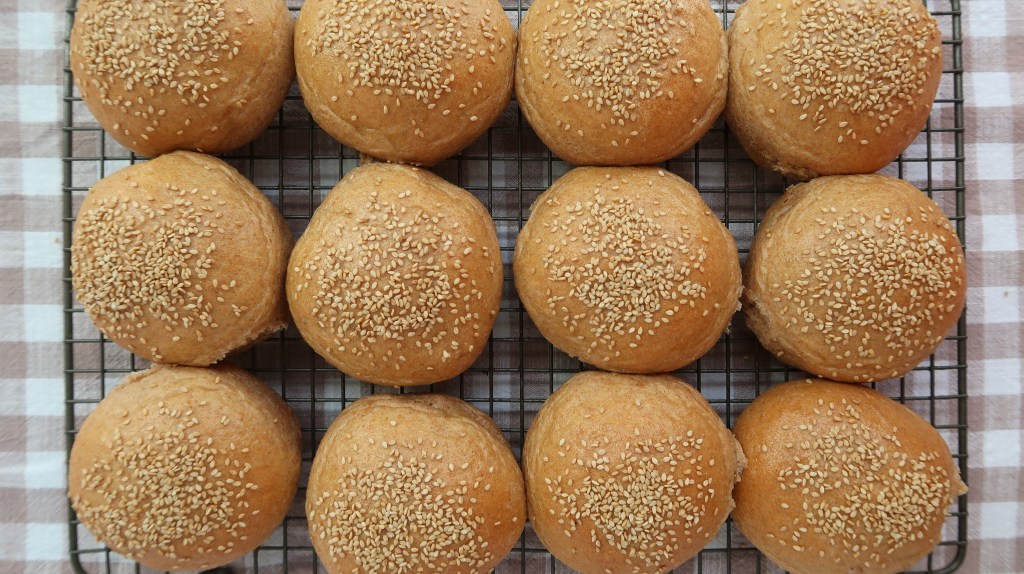
Let cool and enjoy!
Soft Fresh-Milled Potato Hamburger Buns
Important: Use a kitchen scale for best results with fresh-milled flour. Gram measurements are the most accurate. Volume estimates are provided only as a convenience.
Powdered Milk Tip: I use powdered milk in my bread recipes because it is economical, shelf-stable, and easy to keep stocked in the pantry. If you prefer, you can generally replace the water with an equal amount of whole milk and omit the powdered milk. This recipe was developed and tested using powdered milk.
Ingredients
- 560 g fresh-milled hard wheat flour (about 4⅔ cups)
- 445 g water (about 1⅞ cups)
- 45 g dried potato flakes (about ½ cup)
- 40 g sugar (about 3 tbsp)
- 40 g powdered milk (about ⅓ cup)
- 10 g salt (about 1¾ tsp)
- 9 g instant yeast (about 2¾ tsp)
- 55 g unsalted butter, softened (about 4 tbsp or ½ stick)
- 1 egg + splash of water (egg wash, optional)
- Sesame seeds (optional)
Step 1 – Mill & Autolyse
Finely mill the wheat berries. Combine flour, potato flakes, and water. Cover and rest for 1 hour. Meanwhile, allow the butter to soften.
Step 2 – Mix & Knead
Add sugar, powdered milk, salt, yeast, and butter. Knead until the dough is smooth and reaches windowpane.
Step 3 – First Rise
Shape into a ball and let rise until doubled, about 1 hour 15 minutes at 72–74°F.
Step 4 – Shape the Buns
Line a baking sheet with parchment. Divide into 12 equal pieces, shape into tight balls, and place on the baking sheet. Cover with greased plastic wrap while the oven preheats to 350°F. Let the balls rise until puffy, about 25-30 minutes.
Step 5 – Bake
Brush with egg wash, if desired and sprinkle with sesame seeds. Bake for 20 minutes until golden. Brush with melted butter after baking for an extra soft crust. Cool on a wire rack before serving.
Recipe Notes
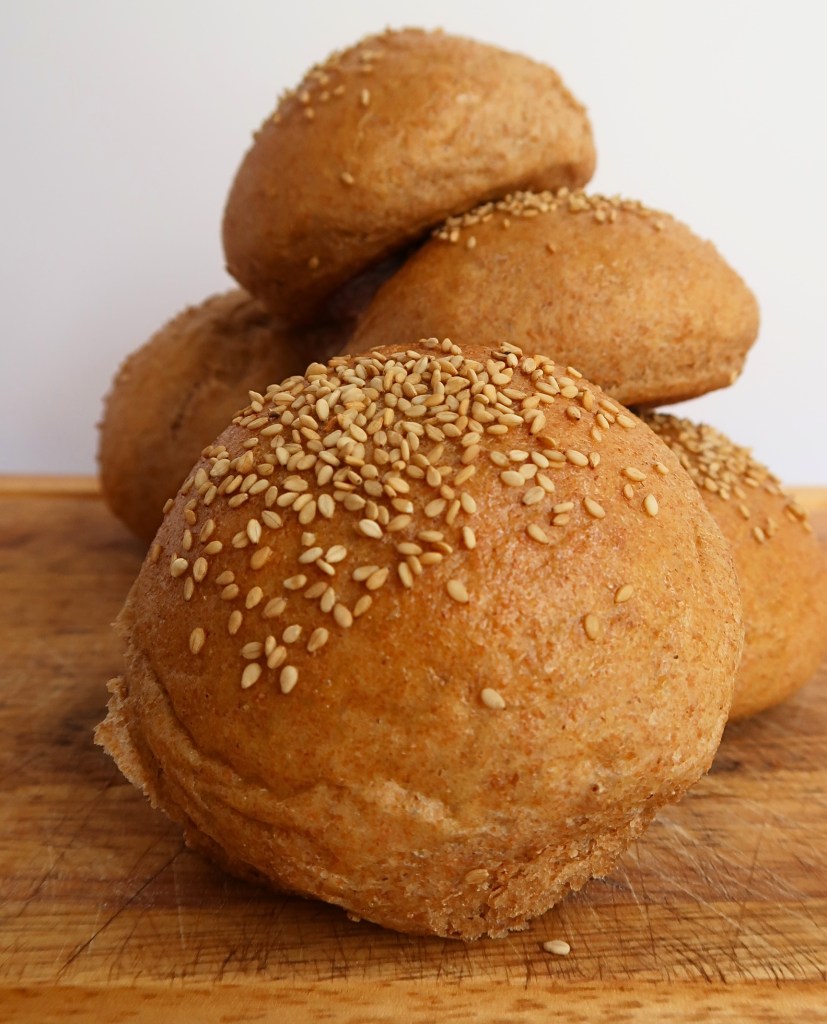
For the softest buns, avoid overbaking. They should be lightly golden and register about 190–195°F in the center.
Need help shaping? Watch the shaping video above for a simple method that creates smooth, evenly rounded hamburger buns.
Tips for Success
- Mill your grains finely
- Weigh your ingredients with a kitchen scale
- Mix your flour, water, and dried potato flakes well; let rest for 1 hour, covered
- Knead your dough until it no longer tears when pulled or you reach a windowpane
- Use a kitchen scale to accurately divide your dough into 12 even buns
- Brush your buns with an egg wash to enhance color when baking and to help sesame seeds stick (if using)
Storage and Freezing Tips
These hamburger buns last up to 5 days. Though they are at their best 3 days and under. I recommend storing any baked goods in a container like this bread bag, or a bread box would work well, too.
Freezing bread is always a wonderful option! Let your buns completely cool. Wrap them in freezer-safe paper, then either wrap them a second time with plastic wrap or place them in a large freezer bag. Be sure to label and consume within 3 months.
FAQ
Why add potato flakes to hamburger buns?
Potato flakes enhance the richness of bread, resulting in a softer texture and longer-lasting freshness due to the added fat.
Can I use mashed potatoes instead of potato flakes?
I haven’t tested this recipe with mashed potatoes. The liquid content in fresh potatoes is unpredictable, making it harder to share a consistent recipe. However, feel free to experiment in your own kitchen!
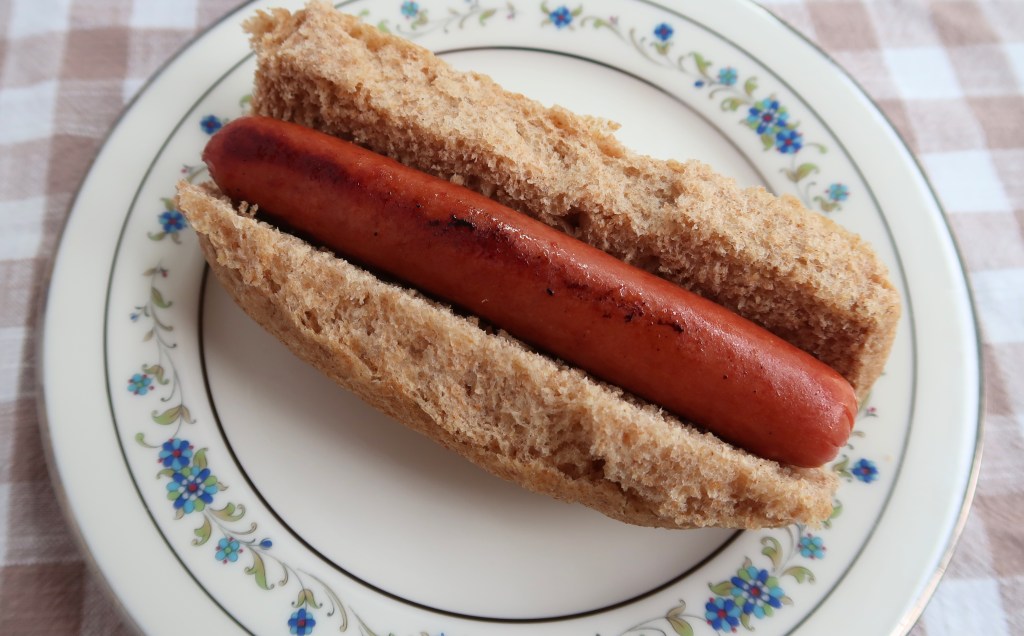
Can I use this dough for hotdog buns?
You certainly could! Weigh the dough so that each bun is about 80 grams. Instead of shaping these into buns, pat them into small rectangles. Start with the short end and pinch it, then roll the dough into a fairly tight log. Pinch the seam closed and roll the log with the seam on the counter until it is about 6 inches long. Place the logs 1/2 inch apart on a baking sheet to rise. Check out my Fresh-Milled Hotdog Bun recipe for more shaping help.
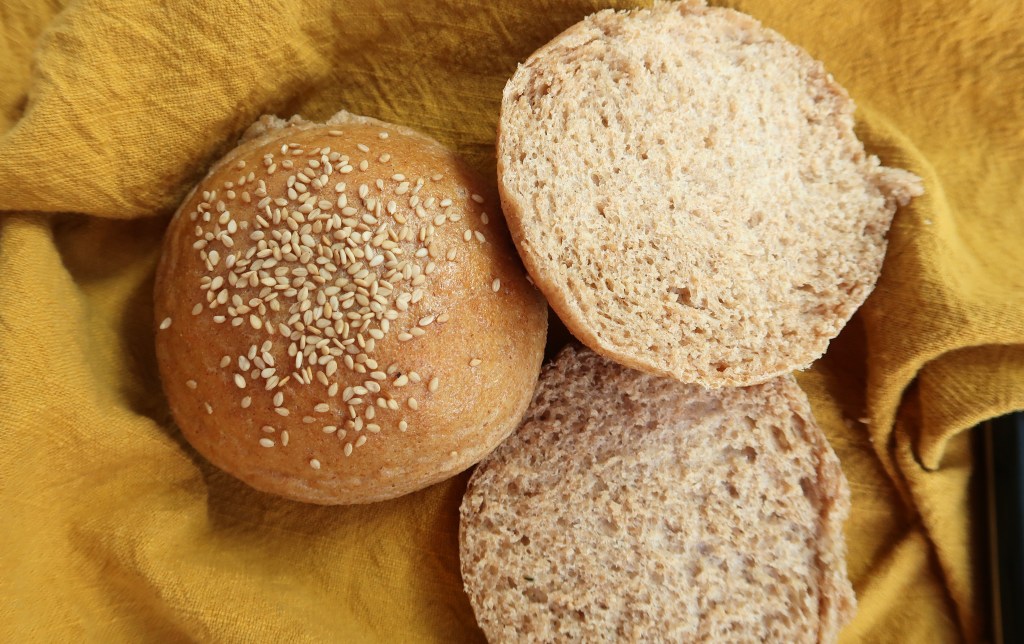
Our family truly loves these potato hamburger buns. They’re ultra-soft and add wonderful flavor to a humble hamburger. I hope you try them and enjoy them as much as we do!
What’s your favorite way to enjoy a hamburger on a fresh-milled potato bun?
Blessings,
Payton

 thecontentedhearth.com
Leave a comment